With a handsome setting around the San Francisco Bay, that eventually gave the city a nickname by which it is often called “The City by the Bay”, San Francisco is known for so many things: from its steep streets featured in so many movies, to Alcatraz Island, where the famous or rather infamous prison is, to the iconic Victorian houses, and last but not the least, the Golden Gate Bridge. If you happen to be in San Francisco, you can’t go far without noticing the Golden Gate Bridge, as it is visible from many points along the Bay shore. Partially hidden at times by the ever-lasting layers of clouds, it is just there, begging for your attention.
Continue readingUnited States
How to spend a day in Point Reyes, California
Located 40 miles (63 km) northwest of San Francisco, Point Reyes National Seashore is a relatively hidden gem if you are not from this area. Rolling hills and endless beaches are the main features of this reserve, and if you are a nature lover or a birdwatcher, then this is your kind of place you want to visit.
Continue readingMuir Woods National Monument and the glory of the redwoods
“This is the best tree-lover’s monument that could possibly be found in all the forests of the world.” – John Muir
Located 12 miles (19 km) north of the Golden Gate Bridge, Muir Woods National Monument is nestled in the Coast Range, a mountain range that runs down the length of California. The mild climate along the coastal mountains provides an incredible diversity of flora and fauna, and the redwoods are the most famous, dominating the entire ocean coast. Part of the Golden Gate National Recreation Area, the Monument protects 240 hectares of old growth coastal redwoods (Sequoia Sempervirens). This is one of the world’s last remaining ancient redwood forests, which is why it was designated a national monument in 1908, even before the National Park Service existed. The Kent family, who purchased the land in 1905 with the goal of protecting the redwoods and the nearby mountains, insisted on naming the park after naturalist John Muir, whose environmental campaigns helped establish the National Park system in the United States.
Continue readingCity break: A walking guide to the most historic districts of New Orleans
First sighted as Indian portage to Lake Pontchartrain and Gulf in 1699 by Bienville and Iberville, New Orleans has been founded in 1718, and named in honor of the Duke of Orleans, Regent of France. It was later called the Crescent City because of its location on the bend of the Mississippi, which resembles a crescent moon.
Continue readingThe Heart and Soul of New Orleans
Named in honor of Duke of Orleans, Regent of France in 1718, New Orleans is home to the most historic districts of any US cities. Besides history, New Orleans is known for so many other things such as festivals, food, architectural styles, or nightlife.

But what comes to your mind first of all when you hear New Orleans? It is about jazz music and its musicians, isn’t it?
Continue readingAdirondack Mountains for beginners
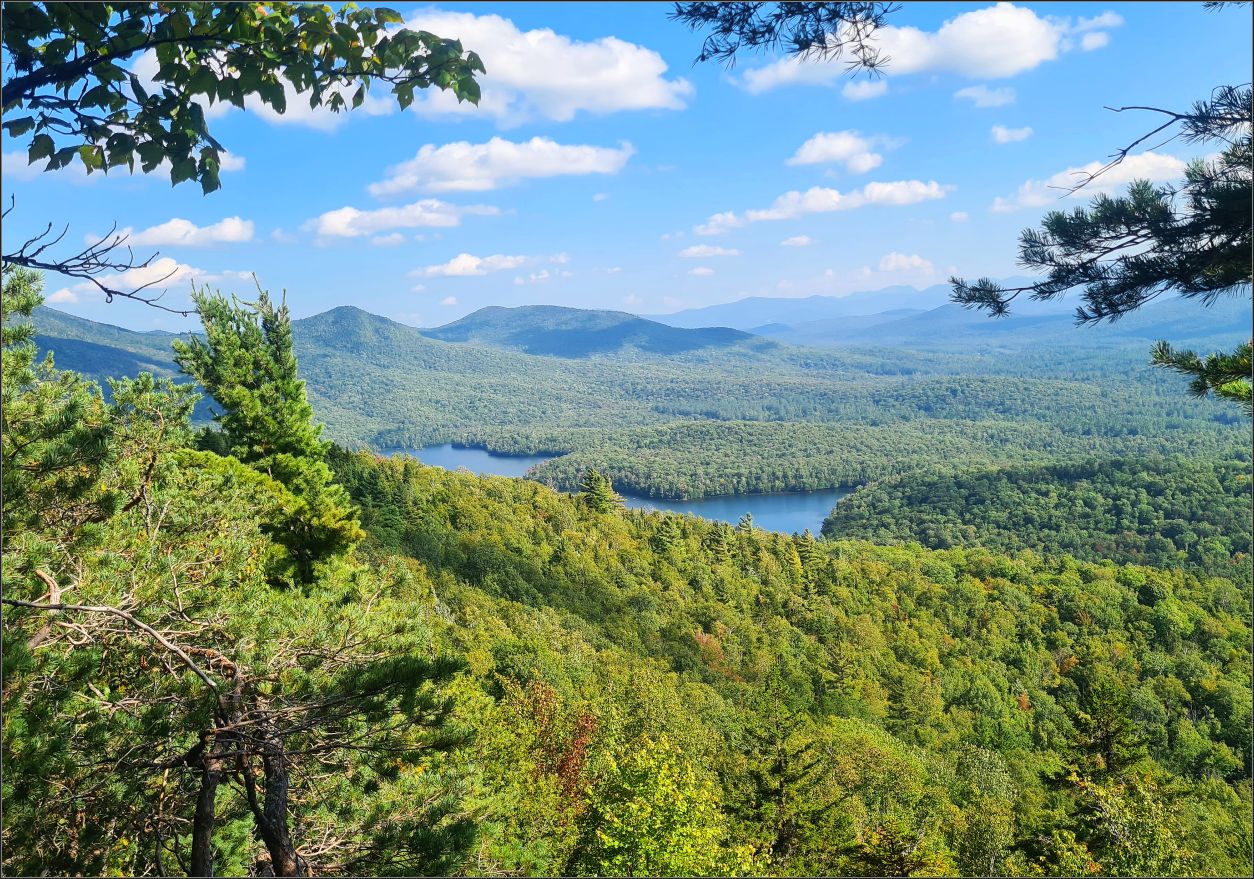
Located in the northeastern part of New York State, the Adirondack Mountains are about 5 hours north of New York city, or 5 hours east of Toronto. Representing the largest protected area in the contiguous United States, the Adirondack Mountains boasts with more than 2,000 miles of hiking trails, over 3,000 lakes and ponds, and 1,200 miles of rivers. They cover about 5,000 square miles (13,000 km2).
Continue readingExploring New York: The best things to see and do in Finger Lakes region
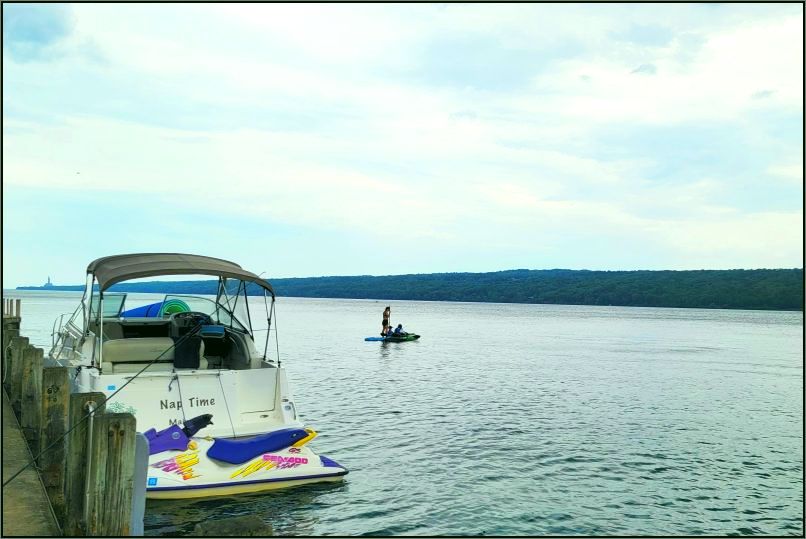
Finger Lakes region takes its name from eleven long and narrow lakes spread like fingers across the region, and it’s located within four to five-hour drive from metropolitan cities, such as Toronto, New York, Philadelphia, or Pittsburgh. Over thousands of years receding glaciers carved this landscape, giving place to an idyllic home to generations of people. No wonder why, as sparkling lakes, breathtaking waterfalls and rolling pastoral hills dominate the landscape, making Finger Lakes Region a hidden gem.
European settlers found one of the most powerful Native Americans Nations in this area, who believed that Finger Lakes were the fingerprints of the Great Spirit. It is said that the Great Spirit reached down and, in touching the earth, transformed this land into sacred ground. But the geological term finger lake refers to a long, narrow body of water occupying a glacially over deepened valley, and the most notable ones are Cayuga and Seneca Lakes. Within about 9,000 square miles, there are miles of lakeshores, countless waterfalls, and vineyards; from biking, hiking, boating, fishing, to visiting museums, or quaint towns and villages, there is an activity for everyone, you name it.
Continue readingWatkins Glen State Park, the jewel of FINGER LAKES REGION
Sometime over 12,000 years ago, receding glaciers carved some of the most pristine lakes, giving place for green valleys, deep gorges, and spectacular waterfalls. Watkins Glen State Park hosts some of the most picturesque waterfalls in this area.
Continue readingHitting the road again: Letchworth state park
Letchworth state park, renowned as the Grand Canyon of the East, is a 14,350-acre park in New York state, following for about 27 km the course of Genesee River. With three major waterfalls, lush forests, and a deep gorge, the park is one of the most scenically areas in the eastern U.S. The Genesee River is the essence of the park, and can be observed either roaring through the gorge on sudden drops, between cliffs as high as 600 feet in some places, or in a calm course along its winding way.
Continue reading