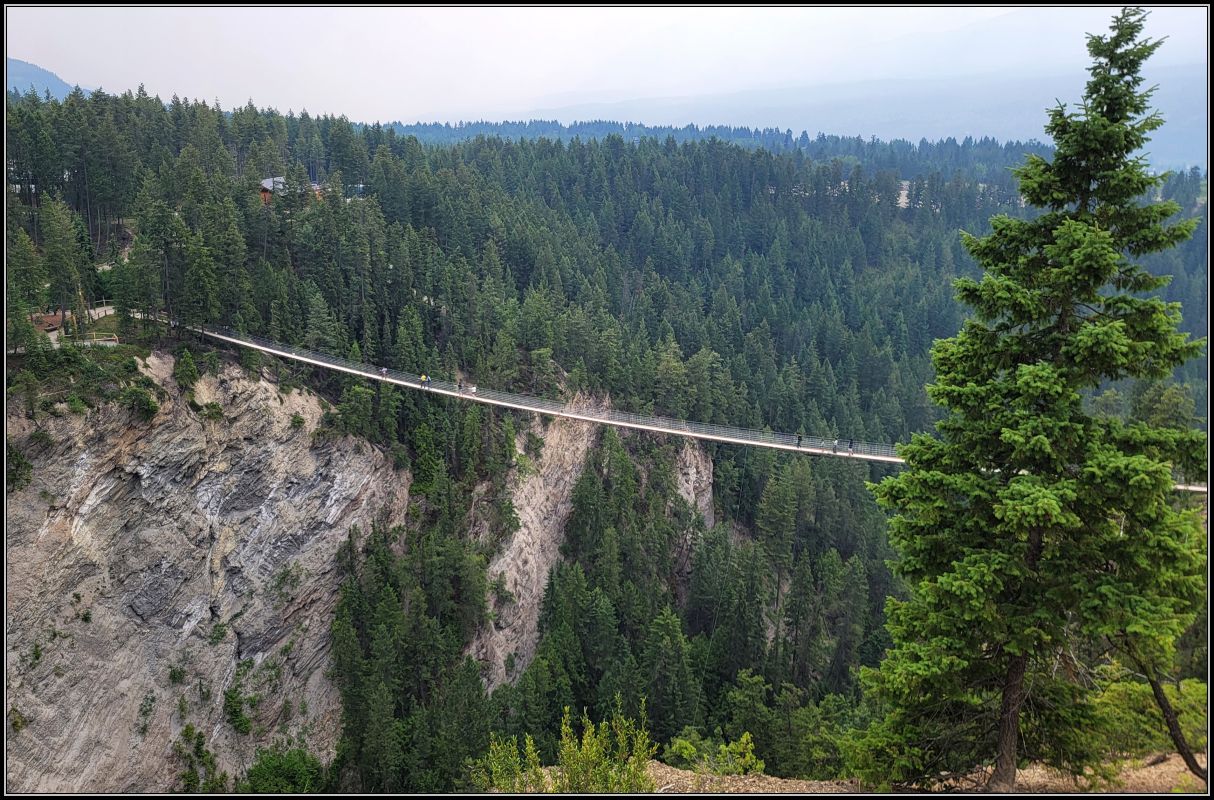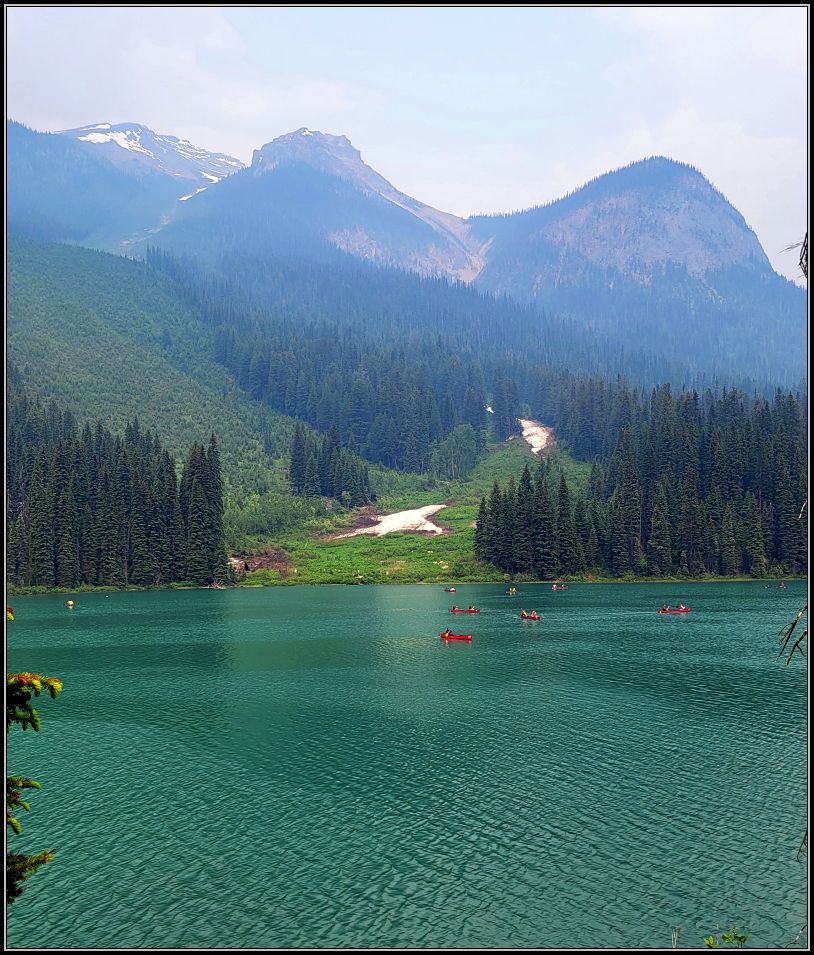
Established in British Columbia in 1886 shortly after Banff, Yoho National Park, a land of discovery, is a lesser-known park situated along the western slopes of the Rocky Mountains. Although often overlooked because it is located less than a half-hour drive from the Icefields Parkway, where most of the area’s tourist attractions are, Yoho is actually the quieter alternative to the other parks, while still boasting spectacular alpine scenery. Yoho – an exclamation of awe used by the native Cree people – is the perfect name for this park: its majestic peaks, expansive glaciers and impressive waterfalls never fail to amaze, making it easy to understand why the park is part of a UNESCO World Heritage site. Let’s discover some of Yoho’s highlights together!
Continue readingCanada
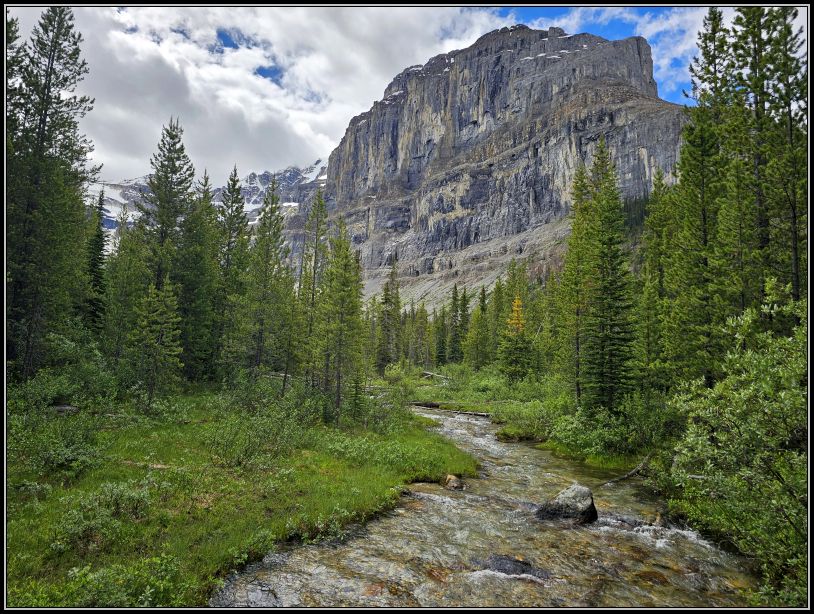
A day trip to Kootenay National Park: Stanley Glacier and Marble Canyon
A land of ice and fire, the lesser-known Kootenay National Park in British Columbiais a place of contrasts, with valleys and canyons carved by glaciers, rivers and waterfalls. At just 1,406 km2, Kootenay is much smaller than Banff. Created in 1920, Kootenay National Park is one of the seven contiguous national and provincial parks that make up the Canadian Rocky Mountain Park World Heritage Site. It also marks the Continental Divide which is the boundary between Kootenay and Banff national parks. Only a short drive from Lake Louise or Banff, it’s a great day trip destination if you’re coming from here.
Continue readingWhy you should visit the Canadian Rockies at least once in your lifetime
The Rocky Mountains, commonly known as the Rockies, are a major mountain range and the largest mountain system in North America. They stretch for about 4,800 km from the northernmost part of the province of British Columbia in Canada, passing through Alberta, and continuing south through six U.S. states. If you’ve ever wondered what they look like or what can you see in this part of Canada, come join us on this journey.
Continue reading10 of the Most Beautiful Canyons (and Gorges) to Explore in Ontario
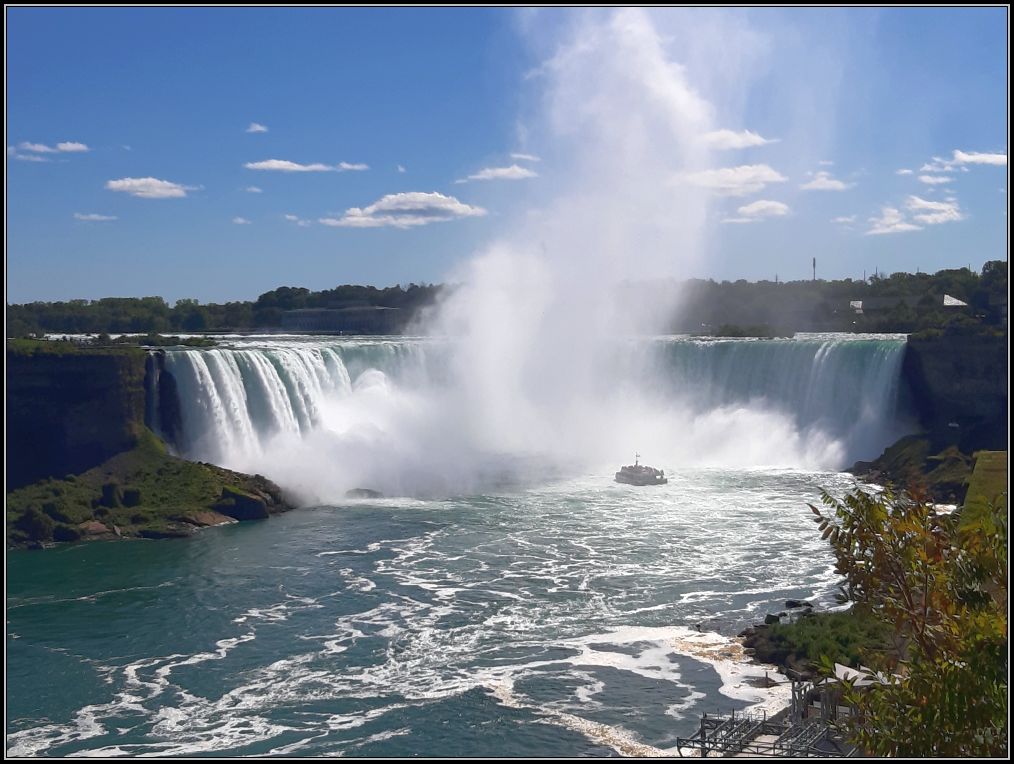
With ten provinces and three territories, Canada is the second-largest country in the world. The southernmost province Ontario acquired its name from the Indigenous Iroquois word “kanadario”, which translates into “sparkling water”. With five Great Lakes nearby and about 250,000 freshwater lakes, it’s no wonder!
Continue readingWinter medley
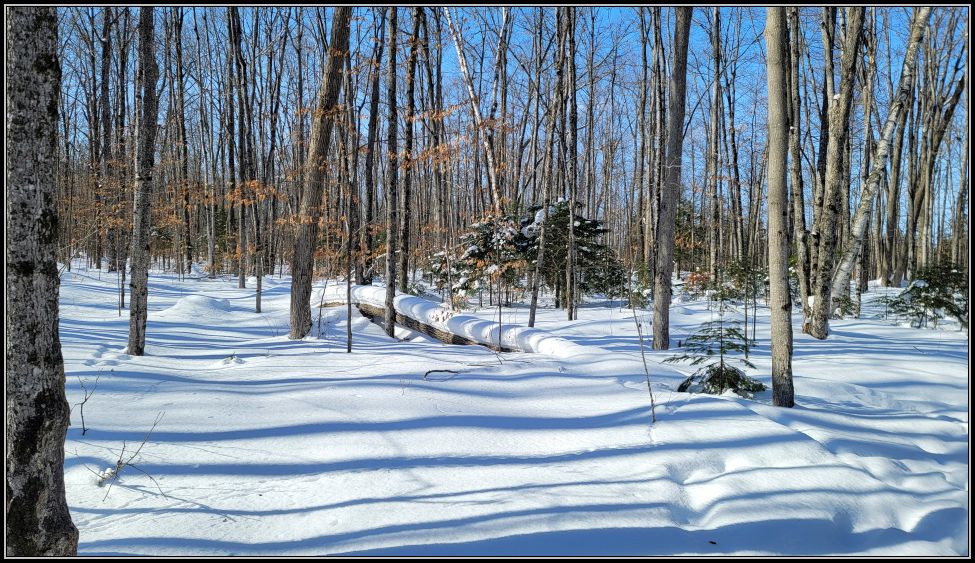
I had a silly thought at one point that if I didn’t post any winter picture, this season would pass quickly and the spring would arrive right away. A few people told me in late fall, while we were still admiring the fall foliage, that we are going to have a mild winter. I was reluctant at the thought of a gray winter and was amused and encouraged by the idea of a short and warm one.
Continue readingAlgonquin park – a promise for new adventures
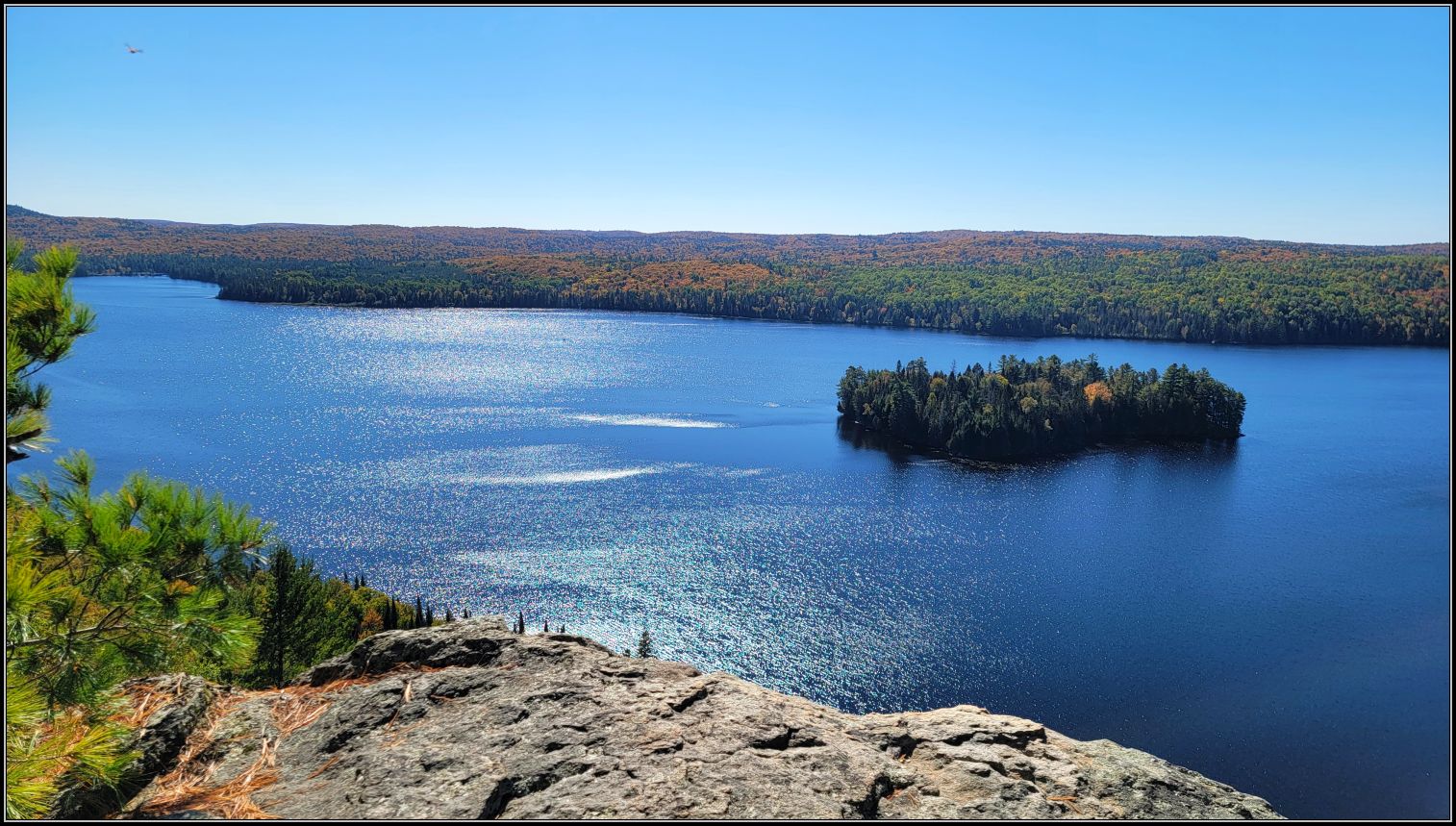
Established in 1893, Algonquin Park is the oldest provincial park in Canada. It is located about 3 hours north of Toronto, and its unique mix of forest types, contrasting with the colourful Canadian Shield, along with over 2,400 lakes and 1,200 km of streams and rivers, and thousands of square kilometres of forests, makes the park one of the most famous in Ontario.
Continue readingAubrey Falls, Algoma Country’s Tallest Cascade
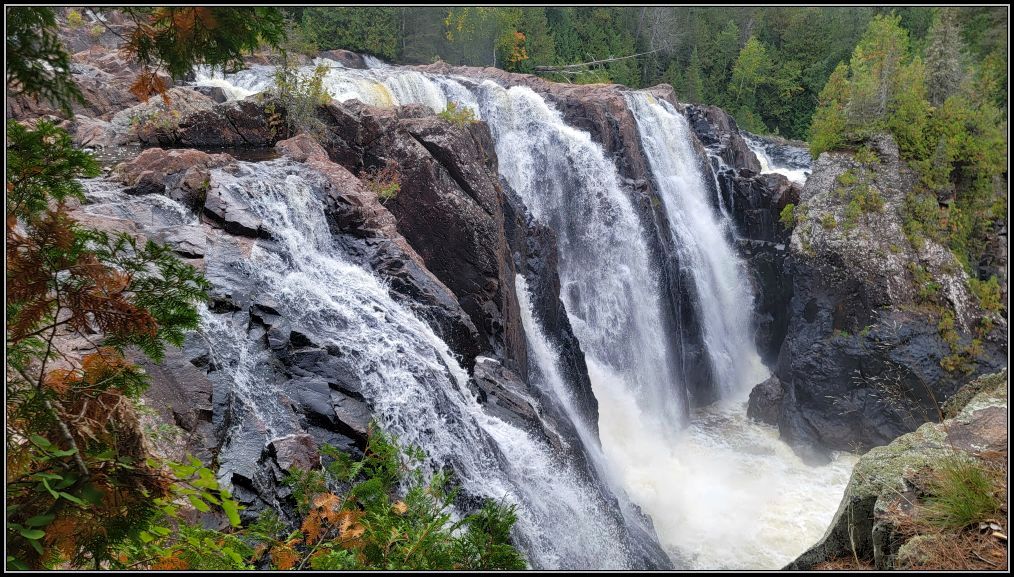
Located in the heart of Algoma Country, Aubrey Falls is an underrated destination. About two hours northeast of Sault Ste Marie, Ontario, these stunning waterfalls are somehow off the tourist radar.
Returning from a road trip along the north shore of Lake Superior, we thought we would take a detour off the beaten path and see Aubrey Falls for ourselves.
Hiking in Sleeping Giant Provincial Park
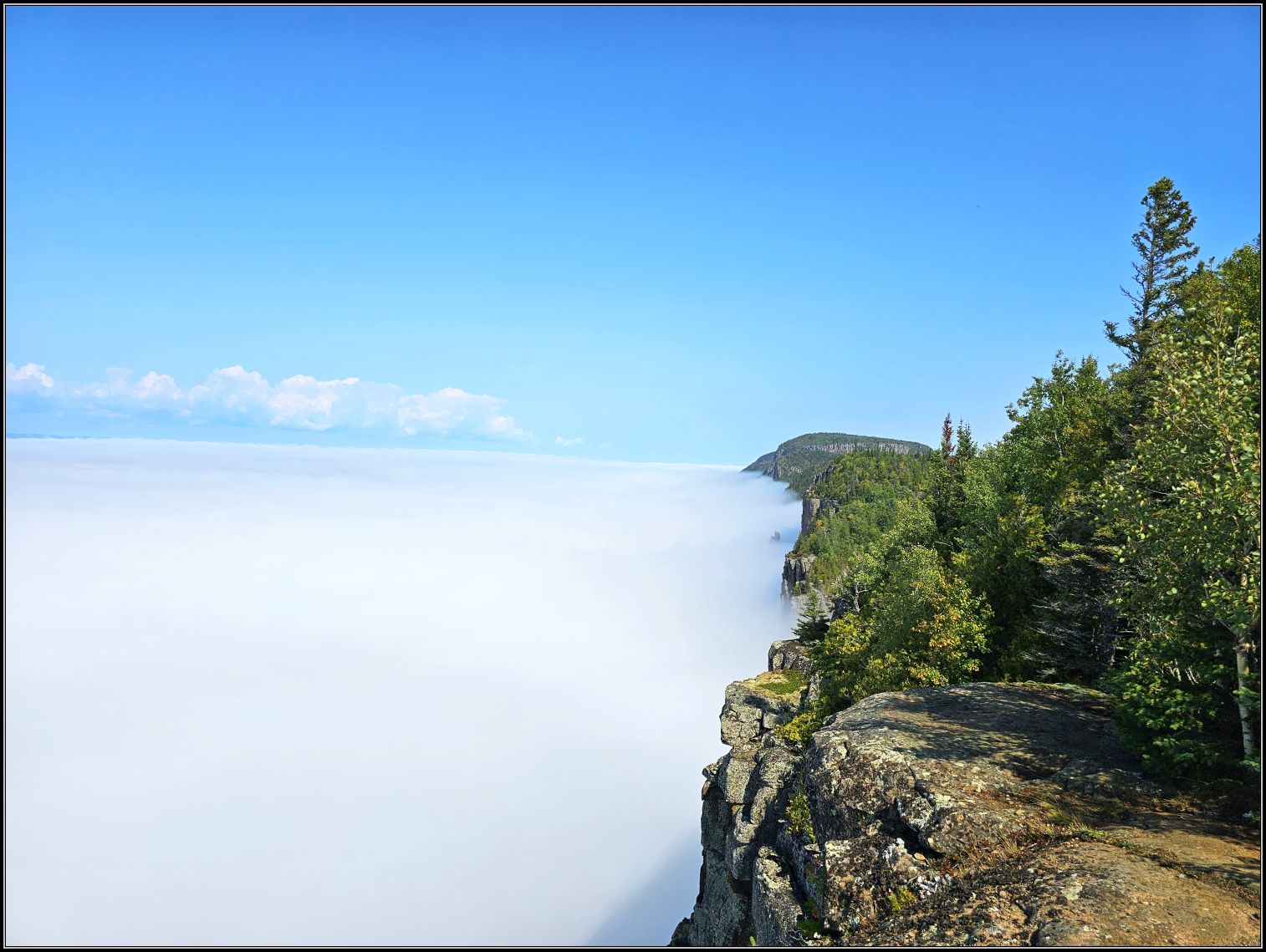
A visit to the Thunder Bay area along Lake Superior, Ontario, is not complete without a visit to The Sleeping Giant. We had the opportunity to see the giant’s profile from Marina Park back in 2021 and I have been thinking about it ever since. Famous primarily for one of the most iconic trails in Ontario, the Sleeping Giant was the main reason we returned here.
Continue readingExploring Ontario: Our Favourite Day trips from Thunder Bay
Thunder Bay is the largest city in northwestern Ontario and was composed of two formerly separate towns: Fort William, a French fur trading outpost on the banks of the Kaministiquia River, and Port Arthur, the eastern terminus of the Canadian Pacific Railway, the major transshipment point for lakers carrying goods from across the Great Lakes.
Thunder Bay centre boasts a small variety of buildings, but no one really visits this area for the city. The panoramic view of the Sleeping Giant and Marina Park are the main attractions of the Waterfront District and an afternoon spent there will give you an idea of the other activities available.
Continue reading