Nicknamed The Town of Queens because King Dinis gave it as a wedding gift to his bride Queen Isabel de Aragon in 1282, this walled city earned its name as this act began a long tradition of Óbidos being part of the Queen’s dowry until 1834.
Portugal is home to several charming walled towns, and Óbidos is known for its particularly well-preserved example, featuring a medieval castle and walls. Located just an hour north of Lisbon, Óbidos is definitely worth a day trip on your next trip to Portugal.
Perched along the north bank of the Douro River, Porto is best known for its Port wine, but also for its historic centre, which has been designated a UNESCO World Heritage since 1996.
Porto (also known as Oporto) was called Portus Cale in Roman times, which eventually gave the city its name. An important trading port and commercial site, Porto was targeted by many tribes and powerful forces over the centuries, including the Visigoths and the Moors. The kingdom of Portugal expanded between the 12th and the 14th centuries through what was called the Portuguese Reconquista, a Christian reconquest after more than 700 years of Muslim rule in the Iberian Peninsula. As new shipyards contributed to the city and country development, Porto became more and more famous. In 1415, Price Henry the Navigator embarked on the conquest of the Moorish port of Ceuta, in northern Morocco, followed shortly by sponsoring maritime expeditions, initiating the Portuguese Age of Discovery.
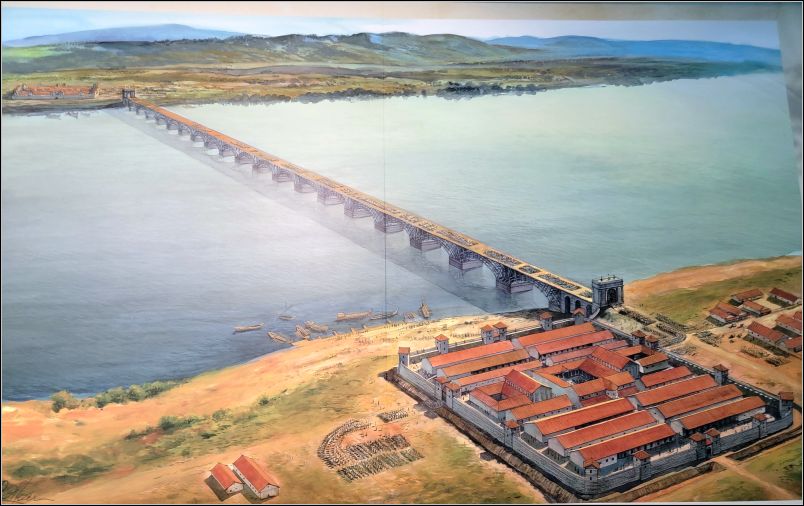
The constant expansion of the Roman Empire did not spare Dacia (modern Romania) from being on the Roman occupation agenda even before the days of Caesar. Domitian tried in 89 AD to take over Dacia, but it seems that he ended up with a peace and alliance treaty.
The first Dacian War (101-102 AD) that Trajan led against the Dacians brought an important victory, so the Romans were ready to secure the new territories.
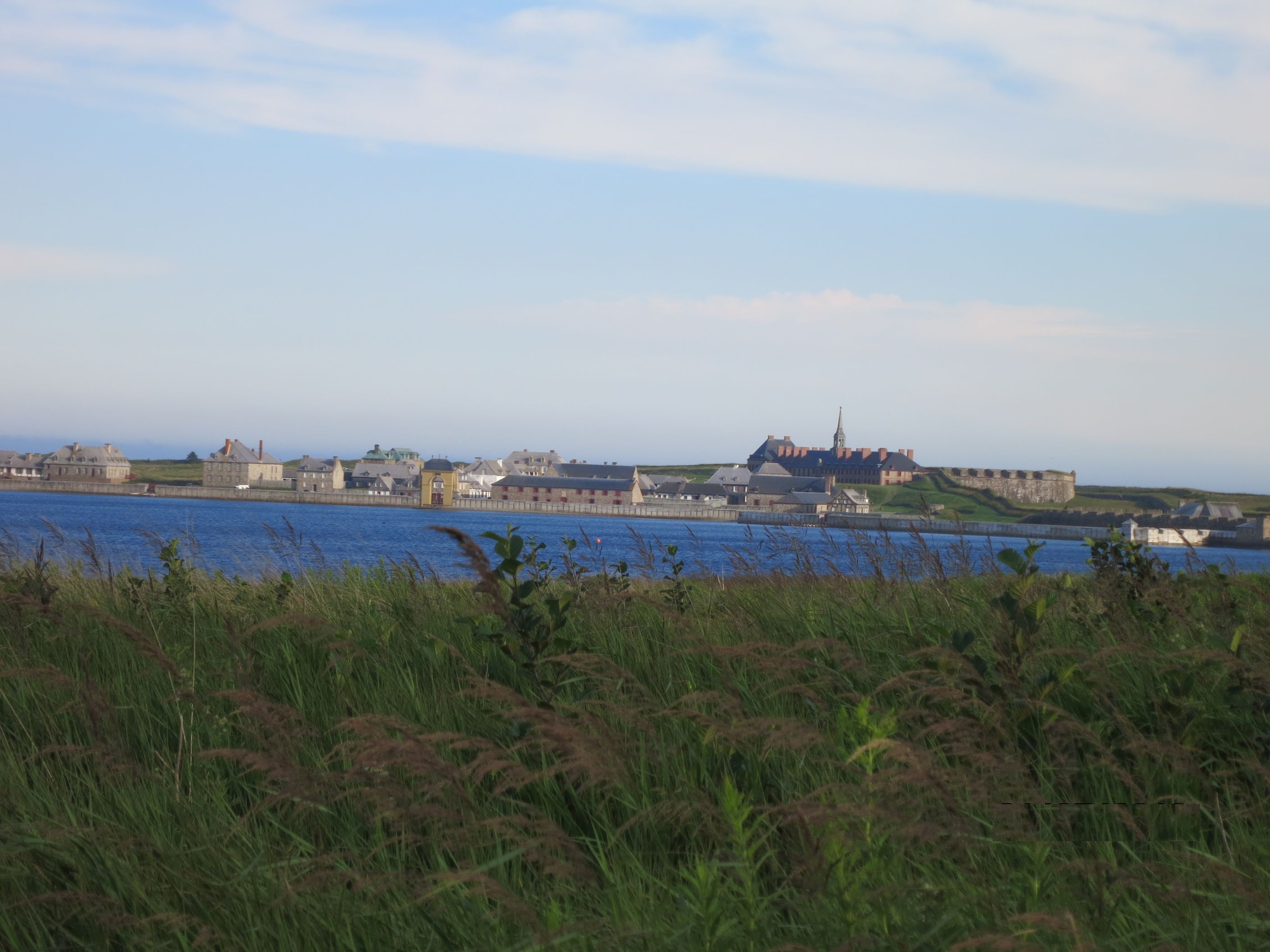
One of the largest living history attractions in North America, Fort William offers a vivid image of the fur trade life. Re-enactment of the old days was our main reason we chose to visit the fort, as we very much enjoyed the cheerful animators from Fortress of Louisbourg, Nova Scotia. Although the park staff was very limited after the big lockdown from the beginning of the year, we considered lucky to be able to visit it, as the park re-opened mid-summer.
The story of the North West Company and its rendezvous place at Fort William covers but a brief span of history. Between the American Revolution (1776-1783), the war of 1812, and later the Pemmican War, then until its own absorption by the Hudson’s Bay Company in 1821, the North West Company exercised a virtual monopoly of all trade into the northwest directed from Montreal. As the company’s inland headquarters, Fort William became the pivotal point in a vast fur trading empire, in a peaceful time before the several changes of what will later become Canada, such as 1869 when Hudson Bay Company turned over the governance to the new nation of Canada who decided the future of the North West territories. Anyway, Fort William remains an eloquent proof of peaceful trading times, frozen in time at the height of the fur trade in North America, as it was in 1816.
Hope you will enjoy the little movie, and the cheerful animators of Fort William!
Tip(s) of the day:
Ask as many questions as you want, all the staff looks knowledgeable, and willing to take extra time to answer all your questions;
Wear comfortable shoes and clothing, as the site is quite big, and not much shade between the buildings;
Take water and sunscreen with you, especially during the summer months;
Admission was $5.00 as of August 2021, for hours of operation and more info you can read here.
The cobblestone street reminded me of the little town of my childhood. The stones were cut in a specific cubical shape, and probably coming from the plenty of the volcanic rocks from the depths of the earth. This time I was walking down the Appian Way, and while I was trying to grasp the meaning of this long road outside of Rome, I was taken by surprise by the little church of Domine Quo Vadis.
The road is famous for its ruins, and for the catacombs along its way, and if you wonder if this is just a tale heard in a movie, then you need to see with your own eyes to match the reality.
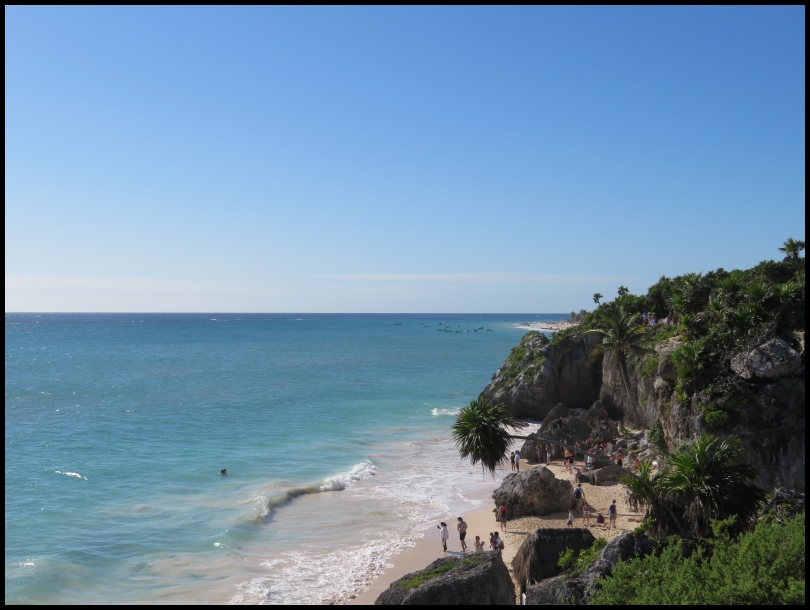
Important seaport for trade on Caribbean Sea, Tulum is known to have flourished in the 13th century. Facing the Eastern side of Yucatan peninsula, Tulum still stands up with its fortified walls and mysterious history witness through so many years. One of the last cities built and occupied by Mayan, Tulum ruins is the most visited site in the state of Quintana Roo, Mexico.
Beach, sun and sea – a perfect place to spend a birthday
How to Peru in 2 weeks – Day #9: Museo de Arte Precolombino – Twelve angled stone – Museo Kusicancha – Qurikancha Temple – Sacsayhuaman Fortress
At a high altitude of 3400 metres, Cusco is located at the west end of Huatanay Valley. Well protected by the surrounding mountains, the conquistadores destroyed the Inca buildings, and used the strong foundations for their colonial structures. But the solid streets and pathways remain unchanged, legacy of a strong civilization. Had they cars, maybe they would have built them wider, but they will remain in the same state for many years from now, even in this century when the city expanded so much, and the traffic in many areas looks impossible. The cobbled streets will stay famous for generations to come, and even though the Spanish maybe wished to destroy a culture, they couldn’t destroy the roots of it.







 1000 Places and Memories