The ultimate guide to visiting Palácio da Bolsa

Imagine working in a world of gilded splendor and royal magnificence. You are here every day, stepping gracefully across the interesting exotic wood floors, guarded by various statues and oil paintings, you have a desk made of the finest wood such as mahogany or rosewood and dozens of painted portraits of former presidents smiling at you (ok, that might be awkward..). Would you like to work in such a place?

The Palácio da Bolsa is a neoclassical building built in the 19th century on the site of the fire-ruined Convent of S. Francisco. Due to its long duration and quality required, the construction of the Palácio da Bolsa became a true school for the artists who worked there. It took 67 years until the works and decorations of this palace were considered completed, in 1909, shortly before the proclamation of the Republic. To this day, the building is still home to the Chamber of Commerce in Porto, and open to the public.
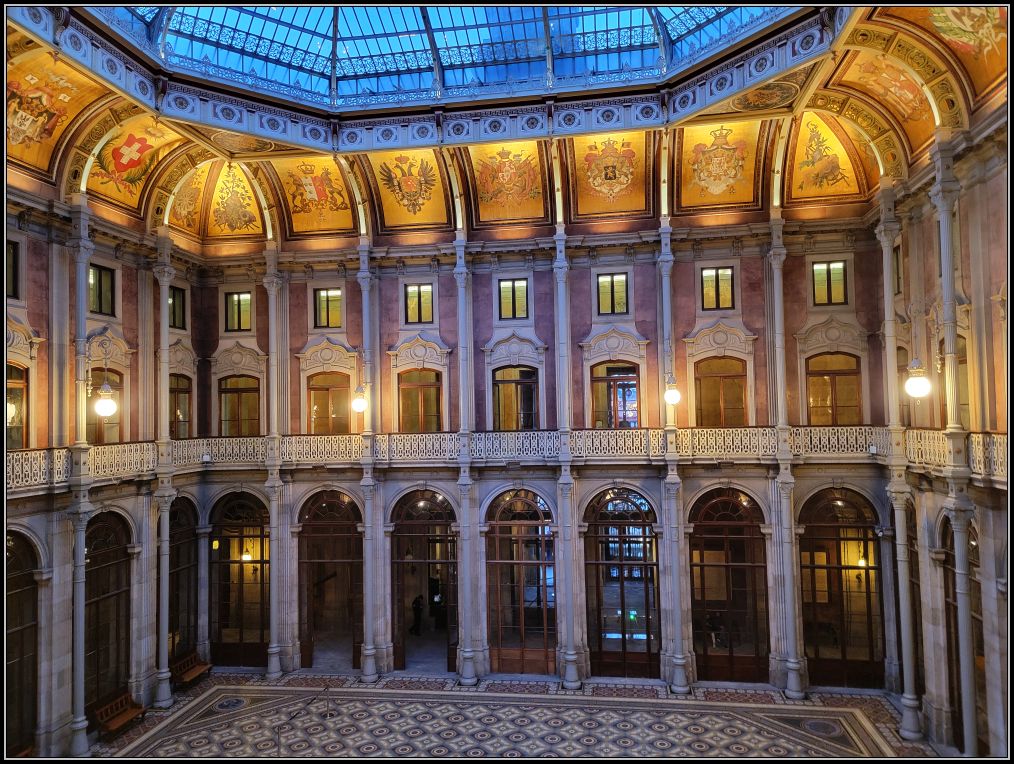
Courtyard of Nations, Palácio da Bolsa
***
Continue reading

Strolling through Porto: A walking guide to the most historic landmarks

Perched along the north bank of the Douro River, Porto is best known for its Port wine, but also for its historic centre, which has been designated a UNESCO World Heritage since 1996.

Porto (also known as Oporto) was called Portus Cale in Roman times, which eventually gave the city its name. An important trading port and commercial site, Porto was targeted by many tribes and powerful forces over the centuries, including the Visigoths and the Moors. The kingdom of Portugal expanded between the 12th and the 14th centuries through what was called the Portuguese Reconquista, a Christian reconquest after more than 700 years of Muslim rule in the Iberian Peninsula. As new shipyards contributed to the city and country development, Porto became more and more famous. In 1415, Price Henry the Navigator embarked on the conquest of the Moorish port of Ceuta, in northern Morocco, followed shortly by sponsoring maritime expeditions, initiating the Portuguese Age of Discovery.

Cais da Ribeira viewed from Miradouro da Serra do Pilar
Continue reading