
As the days got longer and the skies sunnier, nature has finally come back to life, entirely! After a long winter and a shy spring, we are all eager to enjoy once again our summer activities. Blooming flowers, birds and wildlife normally keep us entertained on a daily basis, but today I will focus on the pollinators who have found our backyard garden attractive again, this year. Summer feasts are in full swing for the little ones as they can’t seem to satisfy their insatiable appetite!
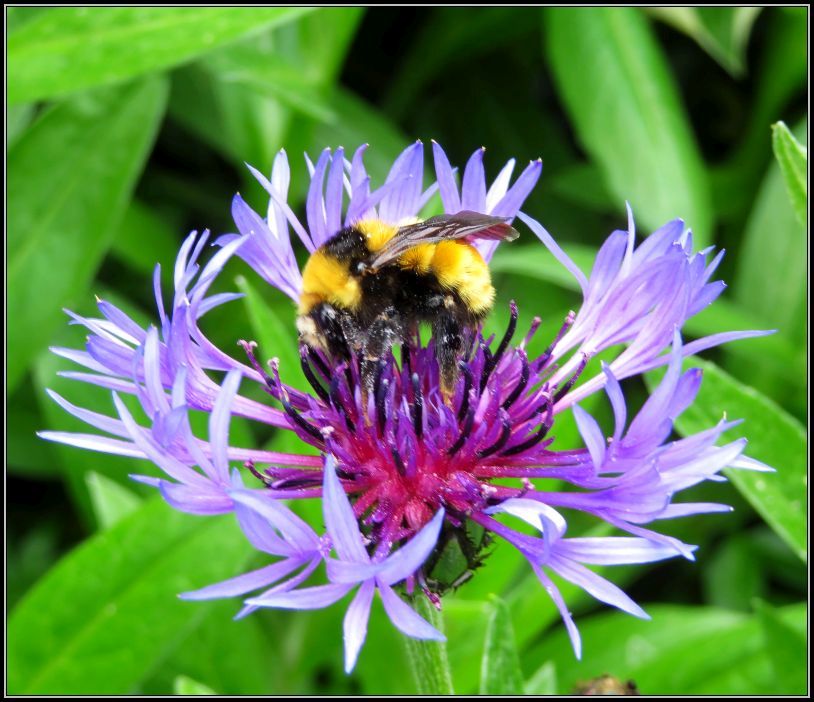
While we are trying to stay cool during the heat wave that has hit the southern Ontario these days, the pollinators in my garden seem to enjoy the pollen, regardless of the high temperatures. Many bees, insects, butterflies and, more recently, hummingbirds visit our flowers to drink the nectar. Without knowing it, they spread the pollen stuck to their bodies to other plants, thus pollinating them.
When a pollen grain moves from the anther (male part) of a flower to the stigma (female part), pollination happens. This is the first step in a process that produces seeds, fruits and the next generation of plants. Butterflies, moths, birds, flies, beetles, wasps and most importantly, bees are some of the nature’s primary pollinators, but also certain types of insects, the wind and even the bats can also help the process.

June 16-22 was the Pollinator Week in 2025, highlighting the importance of these creatures. Pollinators are essential for plant reproduction, therefore for our entire food supply and ecosystems. They help move pollen from one part of a flower to another, enabling fertilization and the formation of fruit and seeds. Without pollinators, many of our crops would not be able to produce fruit.

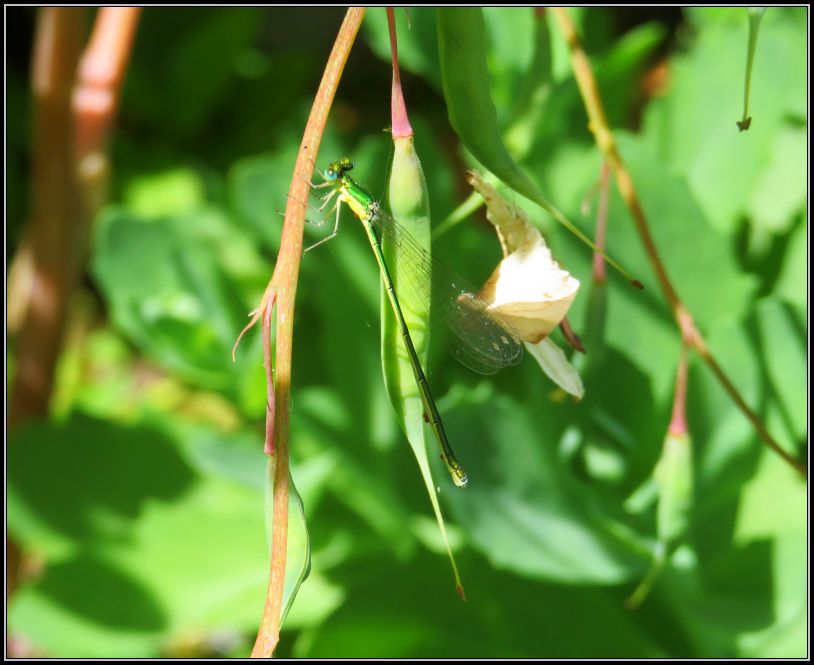

Many pollinator populations are in decline, and this decline is attributed mostly to a loss in feeding and nesting habitat. Pollution, inappropriate use of chemicals, disease, and climate change are all contributing to shrinking and shifting pollinator populations.
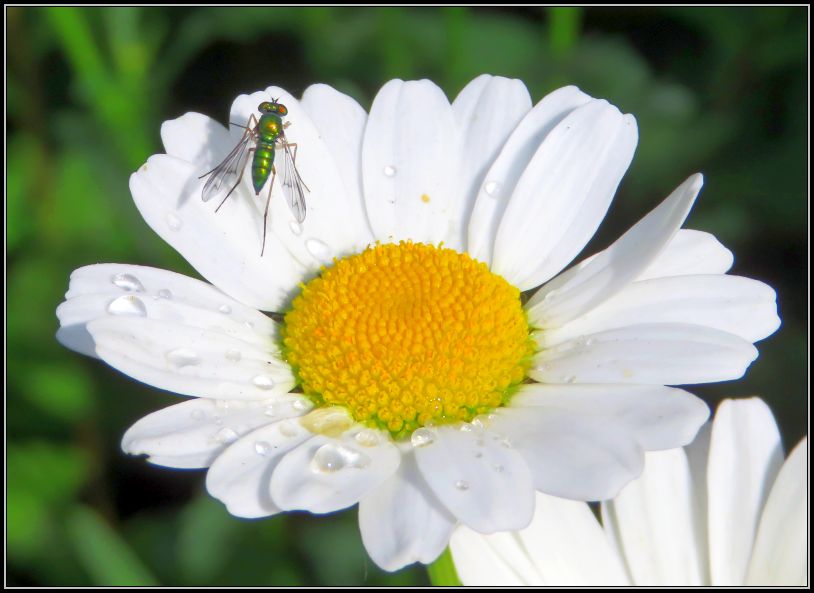
Found on every continent except Antarctica, bees are known for their role in pollination. There are over 20,000 known species of bees, organized in seven biological families. Some of them live socially in colonies, while most species are solitary.
A bumblebee is any of over 250 species in the genus Bombus, one of the bee families. Like their relatives, the honeybees, bumblebees feed on nectar, using their long hairy tongue called proboscis.
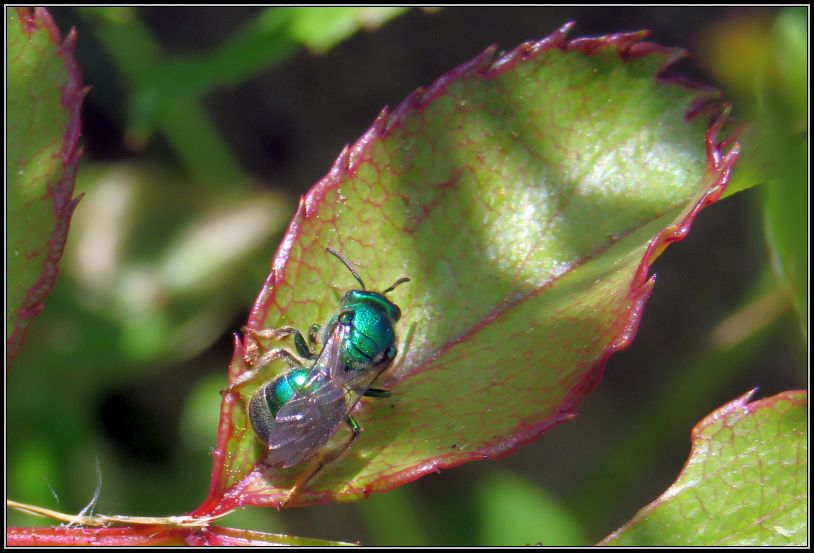
I recently spotted a Green sweat bee. They are a group of solitary bees known for their metallic green or blue-green coloration. A green sweat bee with no stripes likely refers to a species of the genus Agapostemon, specifically Agapostemon virescens. While some of them have black and white (or yellow) striped abdomens others are entirely metallic green.

The Bicolored Agapostemon is found in North America, and it was designated as Toronto’s official bee in 2018, in order to raise awareness of Toronto’s diverse native bee population and to promote the city’s Pollinator Protection Strategy.
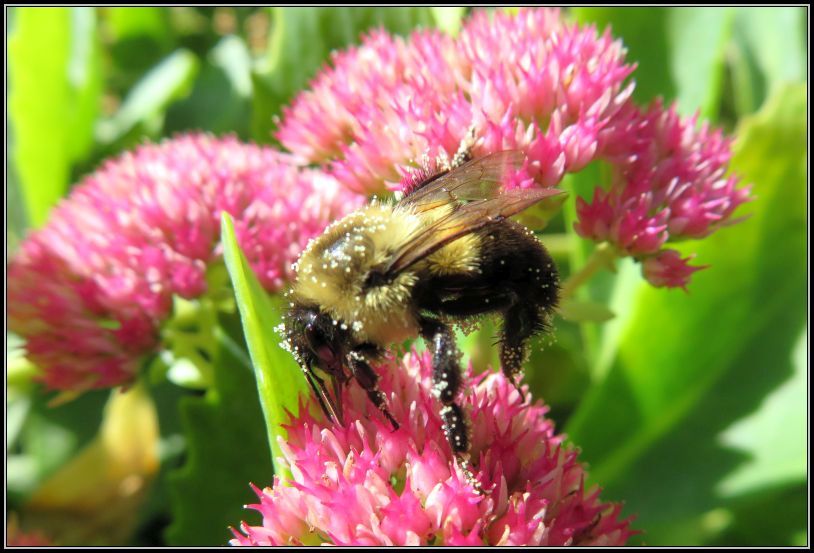
We have so much fun watching them, but we are also very grateful to see them thriving in our garden🥰
“To plant a garden is to believe in tomorrow” – Audrey Hepburn
 1000 Places and Memories
It’s terrible that the bee population is declining, not good at all. I occasionally see bees having a drink at one of my backyard birdbaths! Leave them bee! Lovely photos. 😊
LikeLiked by 2 people
Some data shows that the honeybees are on decline, while other bees are experiencing a population growth – depends on the region too. Hopefully we can all leave them bee🥰
LikeLiked by 2 people
Oh, thanks for this, I didn’t know. Good news! Have a beeutiful day! 😊
LikeLiked by 1 person
You too!😊
LikeLiked by 1 person
Lovely photos, Christie. I hadn’t realized that some bees were not in danger of dying off. That’s good news to hear.
LikeLiked by 1 person
Thank you, Annie! There are some regions where the bee population declined, but it improved in others instead. Beekeepers continue to struggle actually to maintain the honey bee population, but overall we should be fine.
LikeLiked by 1 person
I wish that were more highly publicized, as I feel all we hear is the doom and gloom when it comes to bees.
LikeLiked by 1 person
So true!
LikeLike
Given the humidity, the sweat bees should probably be the official buzzers!
LikeLiked by 1 person
Haha! That’s for sure🤣 🤣
LikeLiked by 1 person
Wonderful shots
LikeLiked by 1 person
Thank you!
LikeLiked by 1 person
Wonderful pictures Christie, I’ve never heard of the green sweet bea before. How interesting. Maggie
LikeLiked by 1 person
Thank you Maggie! xx
LikeLike
You have a lovely collection of pollinators in your backyard. And great pictures! We’re trying to plant more pollinators in our garden and are always happy to see bumblebees and honey bees.
LikeLiked by 2 people
I find them enjoying all sort of flowers, it’s their season now🥰
Have a lovely summer!
LikeLiked by 1 person
Beautiful flowers.
LikeLiked by 1 person
Thank you! xx
LikeLike
So many beautiful photos and colourful flowers, Christie. I also love the quote by Audrey Hepburn. While pollinators play a vital role in maintaining the health and biodiversity of natural ecosystems, they also contribute to the beauty and enjoyment of our natural surroundings. Thanks for sharing, and have a good day 🙂 Aiva xx
LikeLiked by 1 person
We have so much fun watching them! More butterflies and hummingbirds these days🥰
Have a lovely weekend!! xoxo
LikeLiked by 1 person
🥰🥰🥰
LikeLiked by 1 person