
Romania is home to some of the most bizarre and fascinating geological rock formations in Europe. They have been mysteriously shaped by the wind, rain and time, and they trigger both curiosity and fascination. Beyond their geological interest, they are often shrouded in legends, mystery and energetic beliefs and are certainly among the most photographed natural wonders in Romania.
The Sphinx from Bucegi
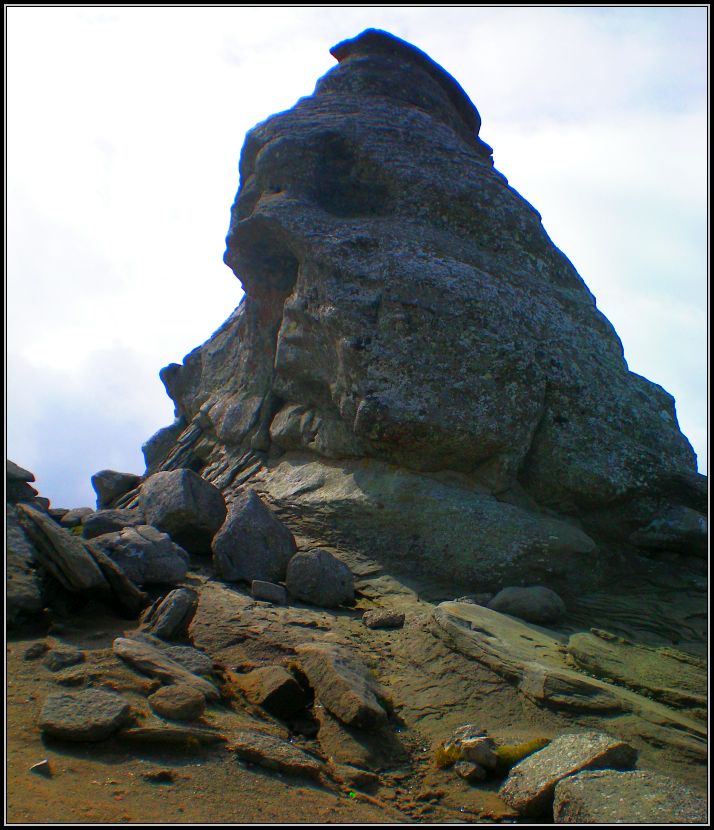
The Sphinx is the most famous rock formation and a symbol of the Bucegi Mountains – about 8 meters high rock structure and 12 meters wide, which, from a certain angle, resembles a human face – and it mirrors the well-known Egyptian Sphinx. The resemblance is so striking that many people wonder if the shape was truly created by nature.
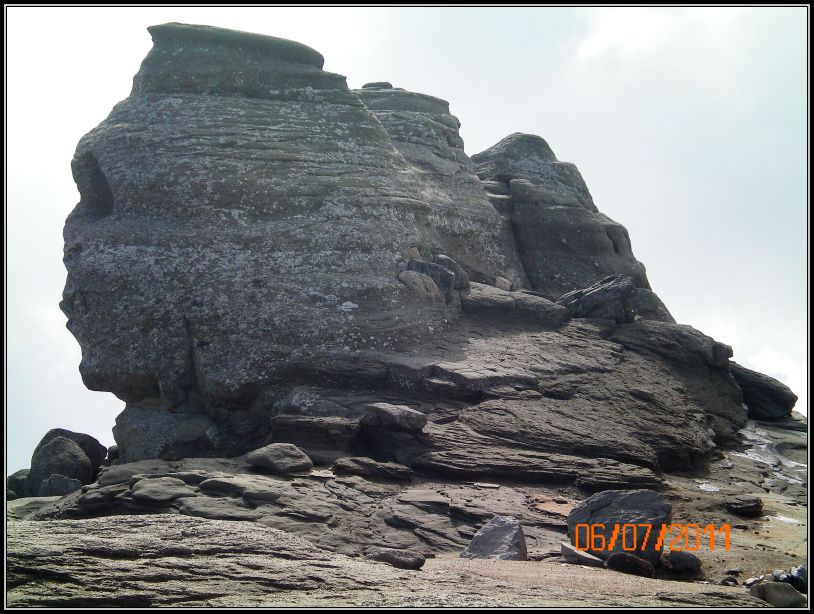
What many people might think is a man-made sculpture (like Decebalus Rex, the tallest rock sculpture in Europe located along the Iron Gates), is actually something that the wind created. At altitudes of over 2,000 metres, the strong and persistent winds throughout the year carry fine grains of sand and other particles that act as a natural sandblaster. This continuous erosion has selectively acted on different layers of rock, wearing away the softer sections more quickly while the harder portions remain, thus creating different shapes.
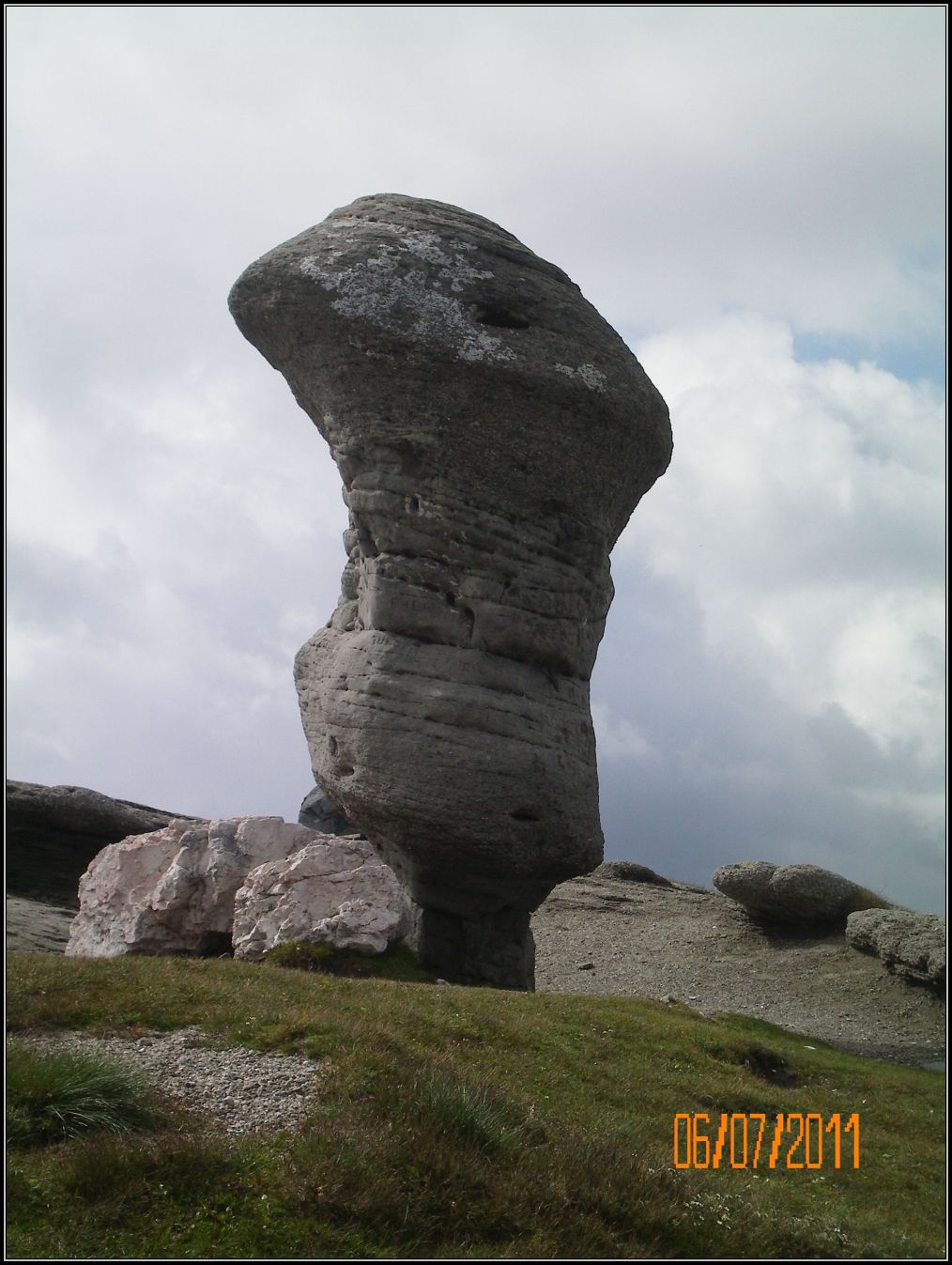
Exploring the area reveals countless smaller rock formations, each with unique shapes, resembling other figurines. Beside the fact that the entire plateau offers stunning views of the surrounding mountains and valleys, the rocky outcrops create a fascinating landscape.
***
Babele (The Old Women)
Another famous rock formation in the same Bucegi Mountains is Babele (The Old Women), consisting of several mushroom-shaped rocks clustered together on the plateau. These structures were also formed by the wind force, where the harder capstone rock layers protect the softer layers below from erosion, creating the characteristic mushroom profile with narrow stems and broader caps. The group of these formations inspired the popular name ‘Babele’ – The Old Women or Grandmothers, as imagination saw them as a group of elderly, hunched women gathered in a conversation.
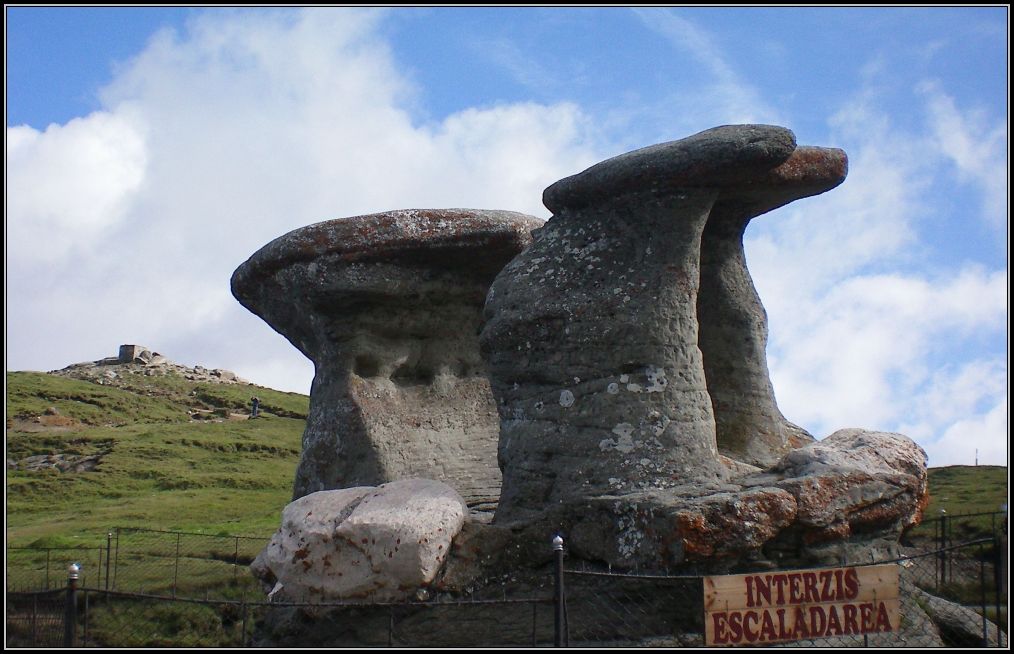
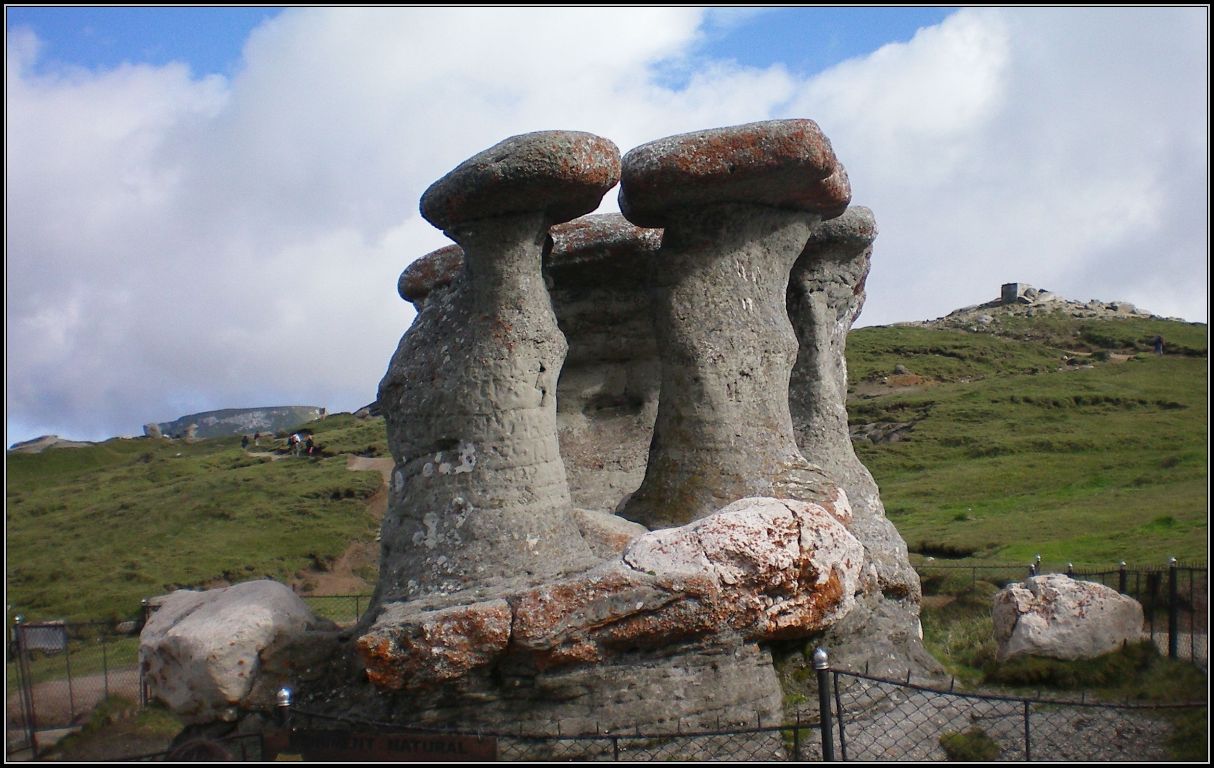
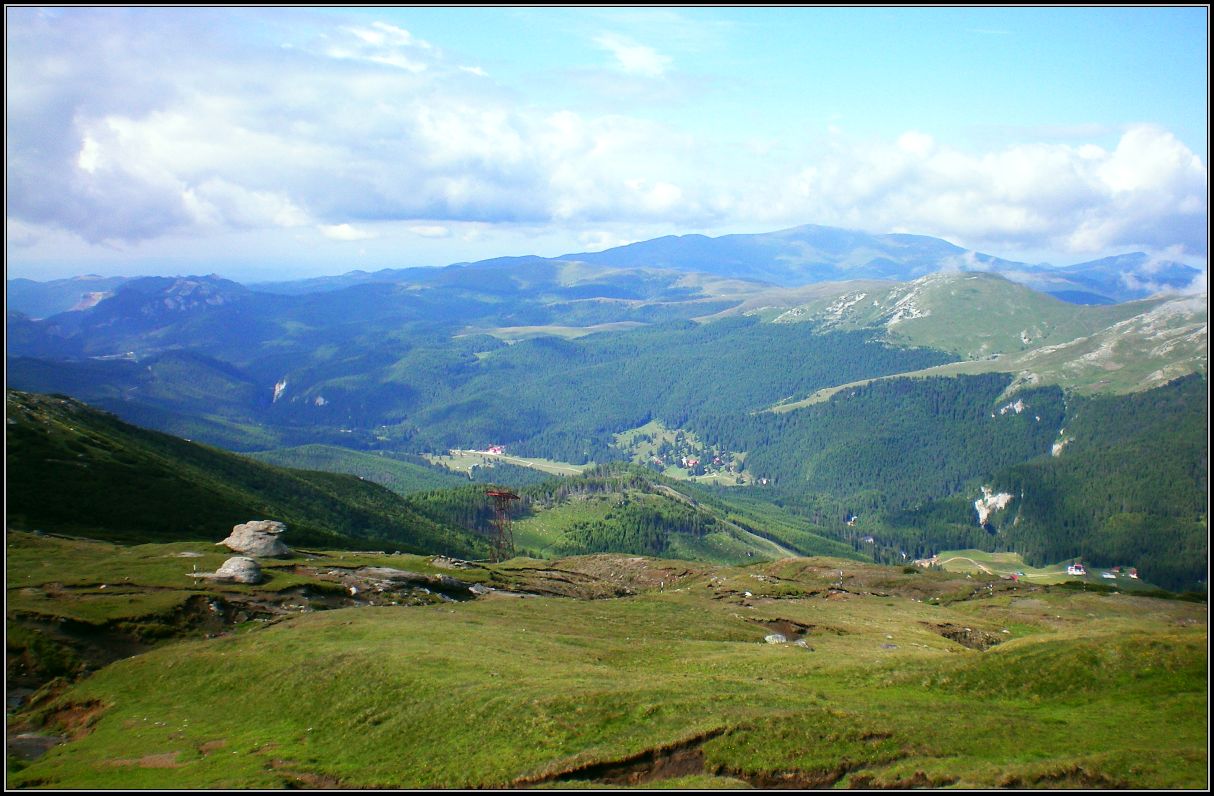
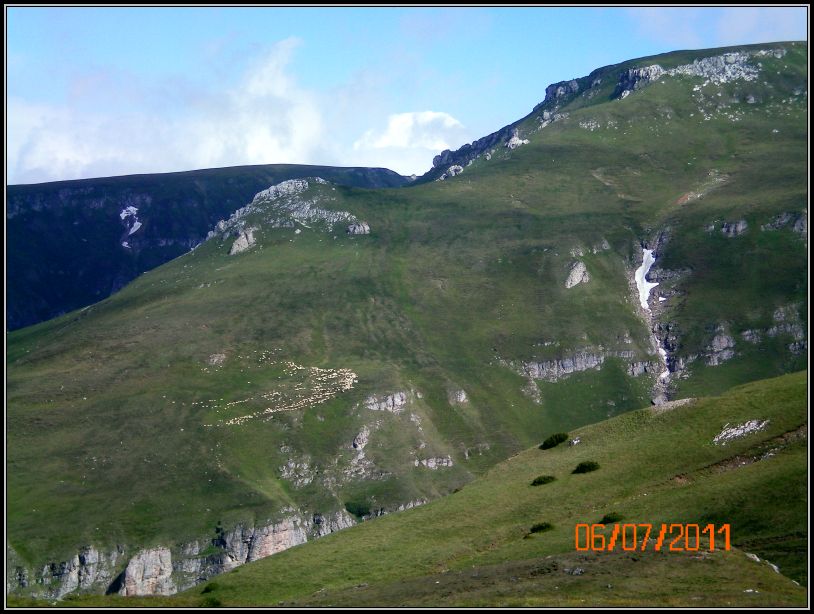
Many legends and local folklore surround these rock formations, while alternative theories speak of controversial energetic powers or anomalies detected in this area. However, the experience of seeing the beauty of the surrounding mountains and valleys below is beyond any expectation, especially if you visit this area during the summer months and on a clear day.
***
The Trovants of Costesti (The Living Stones)
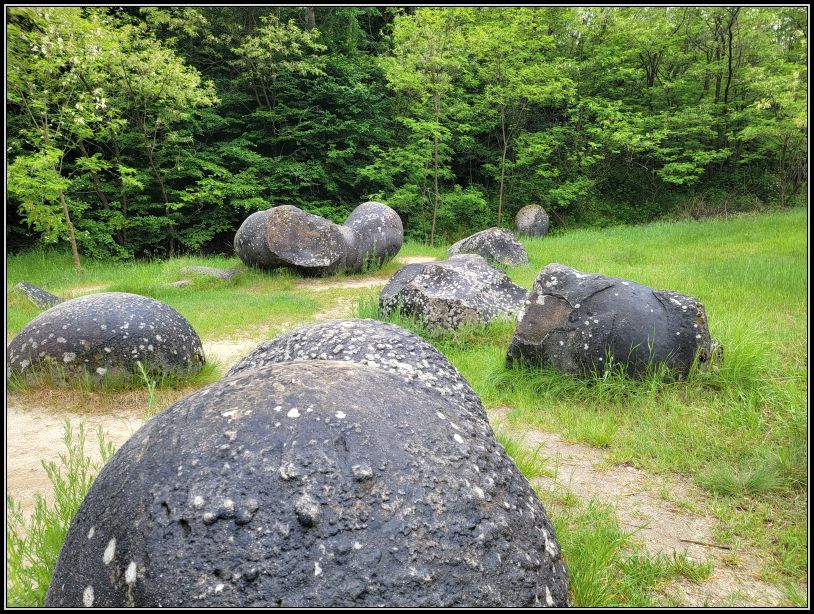
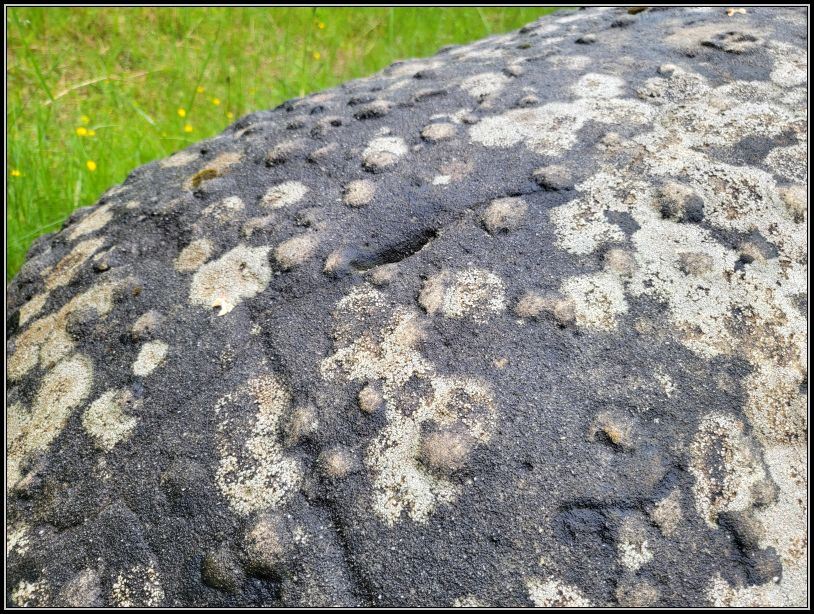
Some of the most enigmatic rocks found in Romania are the trovants, known as The Living stones. Folklore says that this sandstone concretions are capable of growing, moving and even “reproducing”.
Curiously enough, we were able to see these stones in 2024, when we also learned about the scientific explanation of what happens there, which is quite simple: the sand reservoir that formed in this area about 6 million years ago, as a result of successive layers transported by the rivers, did not have enough minerals and carbonates to get cemented entirely. Instead, the cementation took place only around a few centres, creating these trovants. They are round in shape and vary in size. It is said that Constantin Brâncuși was inspired by the shapes of these trovants when creating some of his artwork.
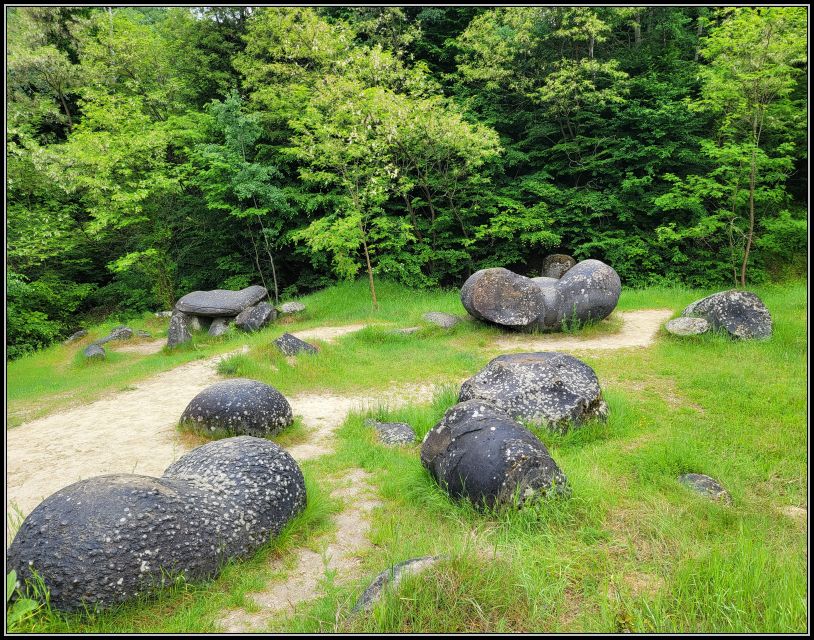
After each heavy rain, the minerals from the water are absorbed by the porous rocks, making them to expand. Sometimes they “grow” small lumps, which, when cut, they reveal rings similar with tree trunks. When these lumps break off from a larger rock, they will grow independently over time, just like the others, thus “reproducing”. Trovants are believed to grow by adding about 4-5 centimetres to their circumference every 1,000 years.
These are some of our favourite destinations in Romania, but if you want to read more, click here.
 1000 Places and Memories
A very enjoyable post, Christie. Beautiful photos, too.
LikeLike