
Located at the southern tip of the Iberian Peninsula, near the exit of the Mediterranean Sea into the Atlantic Ocean, Gibraltar dominates the landscape, catching the eye of any traveler. Here we are, ready to explore The Rock on foot, at our own pace, the way we like to do it. Although we love exploring places on foot, we knew nothing about all the ups and downs that would follow.
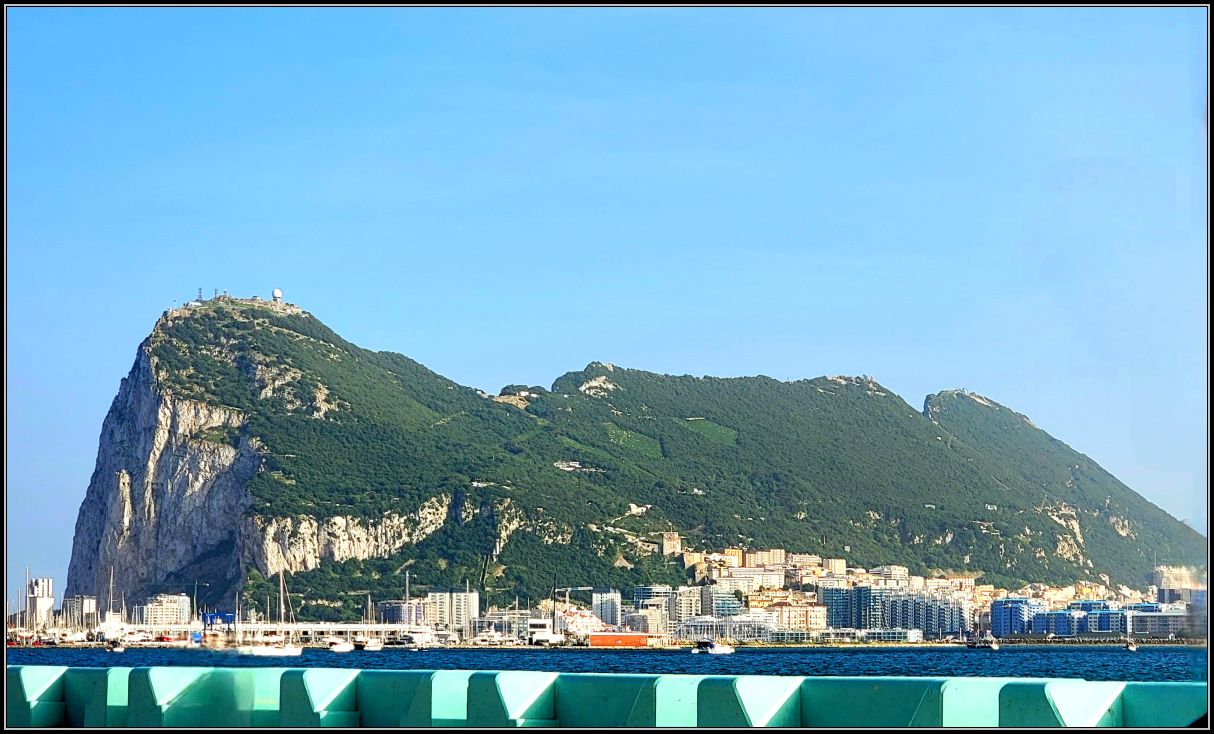
The fortified walls and paths of Gibraltar continue to stand over the centuries, witnessing battles and telling stories, where strength and perseverance are part of the core definition. With a strategic position at the entrance to the Mediterranean Sea, Gibraltar has been a sought-after place by many empires since ancient times; as a British overseas territory today, Gibraltar remains a blend of British and Mediterranean culture today.
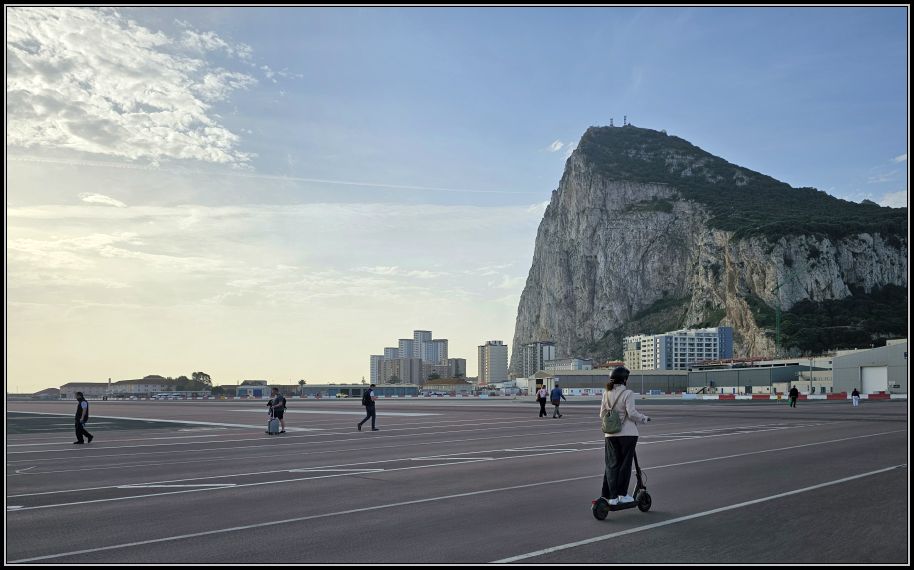
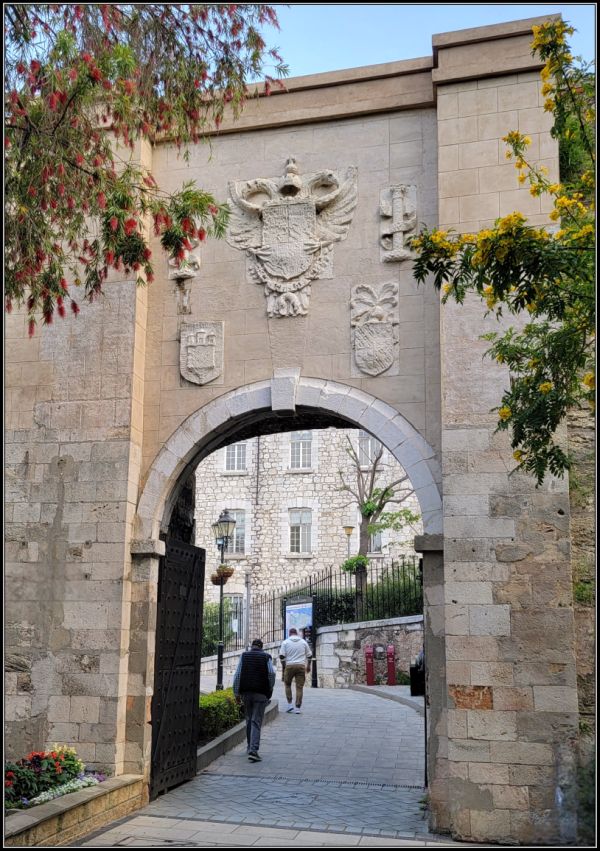
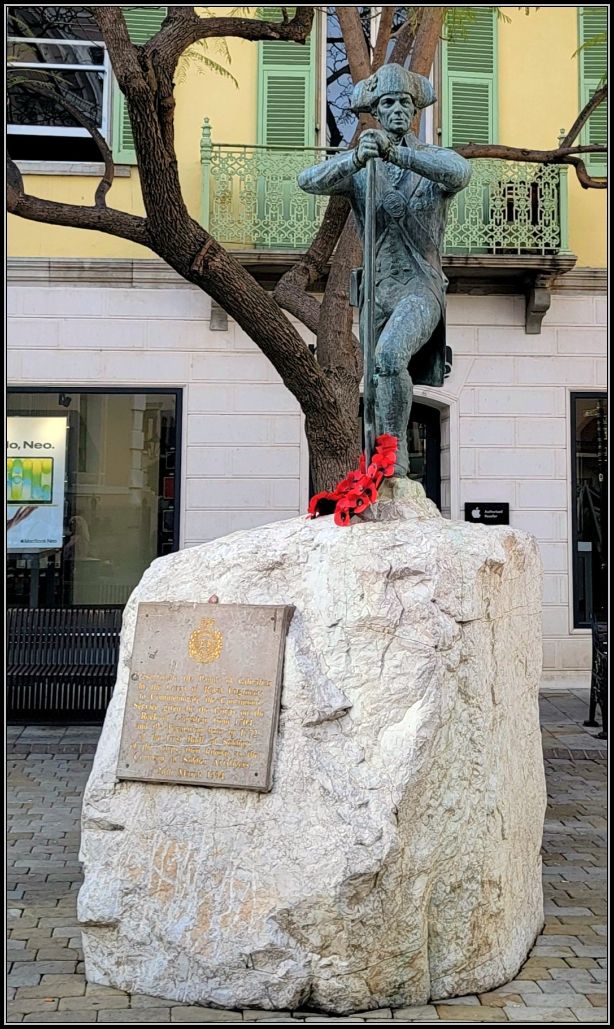
The city’s history goes back long before Spanish or British rule. In fact, the land has been inhabited by so many people, including Neanderthals. In ancient times, Gibraltar was a place of religious importance, when the Greeks and Romans considered Mons Calpe (Phoenician name for Gibraltar) as one of the Pillars of Hercules.
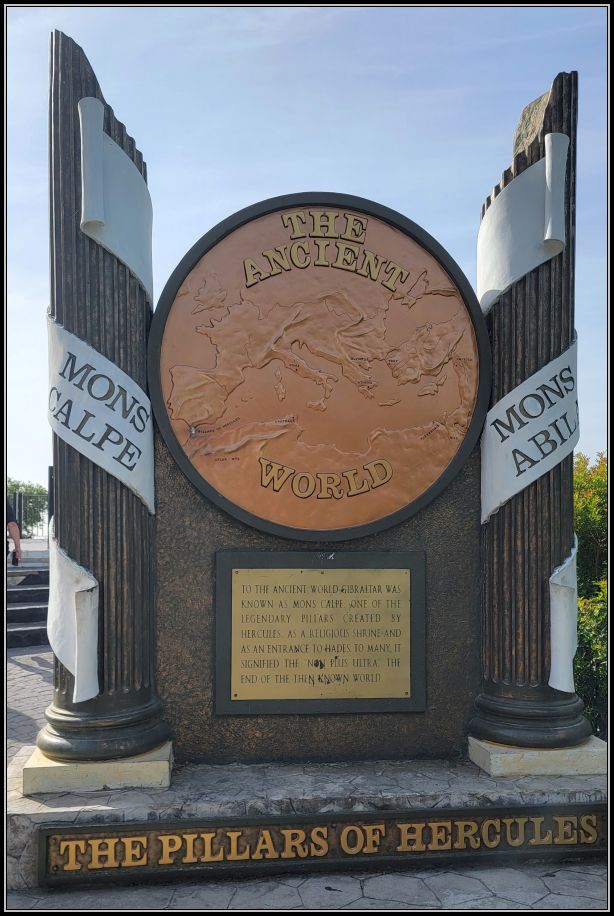
Although Mons Calpe was renamed Jabal Tariq “The Mount of Tariq” honoring Tariq ibn Ziyag, the leader of the Berber army that conquered the peninsula in 711, it was founded as a permanent watchtower much later, in 1160. For hundreds of years after that, Gibraltar knew no peace, as many empires fought over the rock and changed ownership. Its strategic location has not gone unnoticed even in modern times, especially during the WWII when Gibraltar played an important role.
The Rock of Gibraltar (426 m high) and Mount Jebel Musa in Morocco (842 m high) rise majestically, dominating the entrance to the Mediterranean Sea. Ancient sailors arriving at The Rock would leave offerings to the gods, asking for their blessings before sailing into the unknown. The ancient Greeks referred to the Rock as one of the Pillars of Heracles (later known as Hercules by the Romans). According to Greek mythology, Hercules smashed his way through the two mountains, connecting Europe and Africa during his return with the Cattle of Geyron, in his tenth labour, to delay the setting of the sun over the western horizon.
Since the cable car was under construction and driving seemed quite adventurous, including the lack of parking, we decided to start our walk in the park from the Jew’s Gate. Gibraltar was pretty quiet during the morning hours and we didn’t want to disturb. After we paid the entrance fee to the nature reserve, we had a little debate whether we should take the Mediterranean Steps or head straight to St Michael’s Cave.
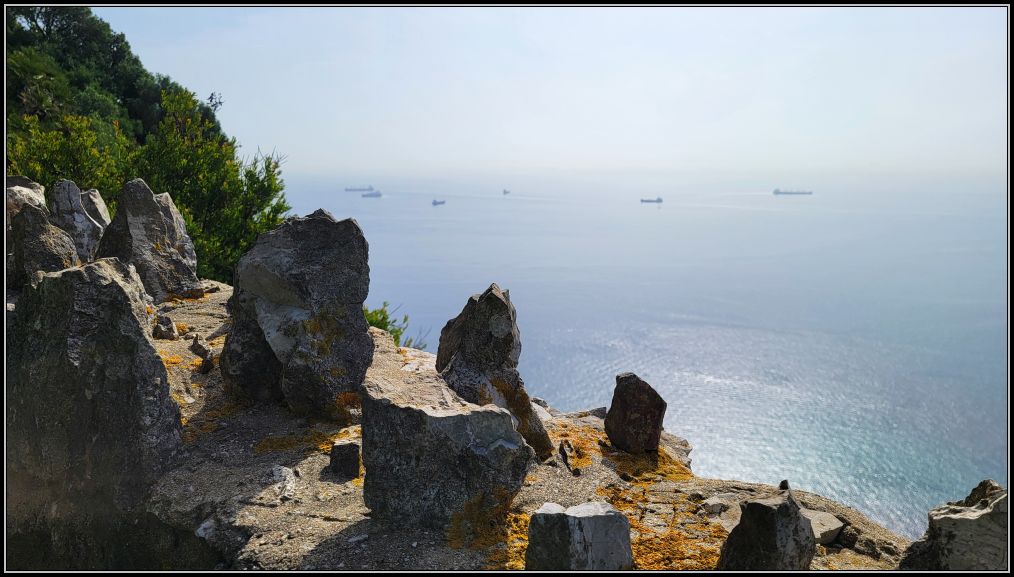
Mediterranean Steps are one of the most spectacular walks in the Gibraltar Nature Reserve, following the eastern cliff face of the Rock before zigzagging to the top. After walking this route for a bit, we decided to take St Martin’s path instead which leads directly to the cave.
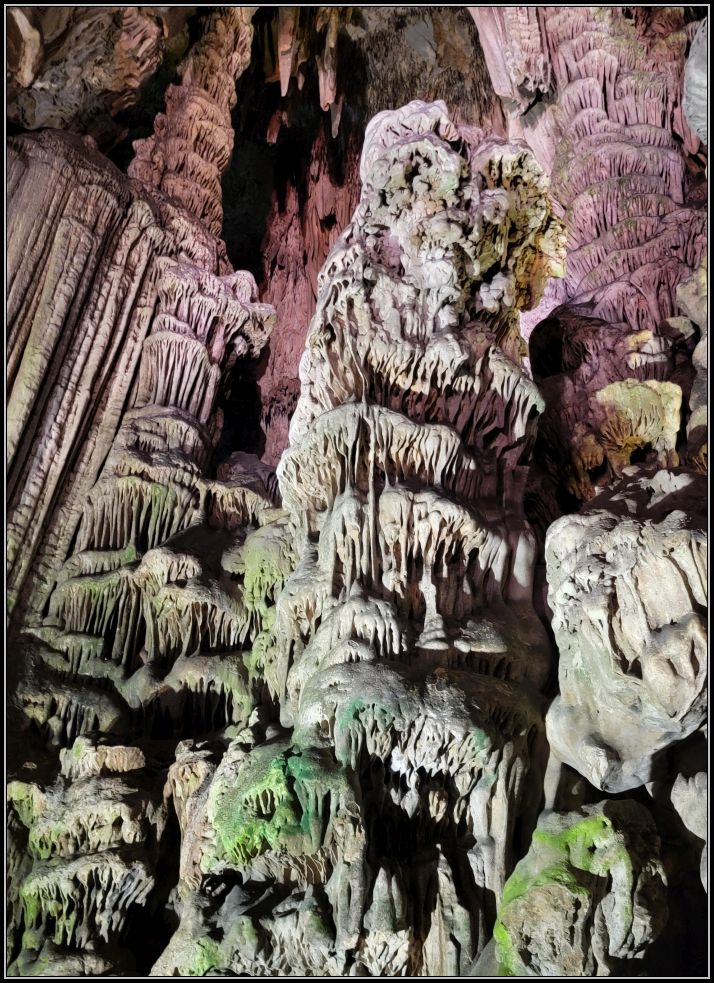
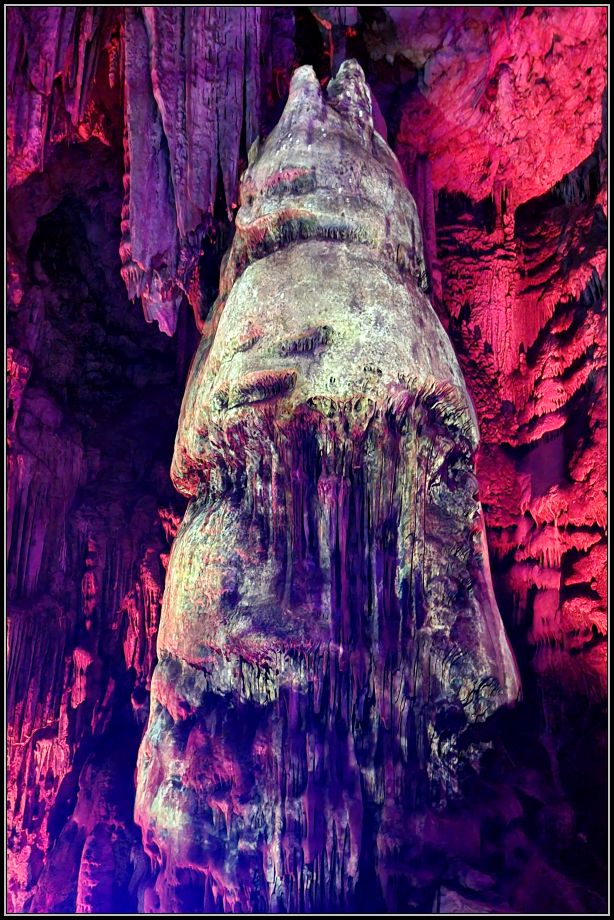
For a long time, it was believed that St Michael’s Cave is bottomless. This probably gave birth to the story that The Rock of Gibraltar was connected to Africa by a 24-km-long underground passage beneath the Strait of Gibraltar. The ancient Greeks believed that this cave was an entrance to Hades, the mythological underworld, and some believed it was a temple of Hercules. This was the tallest cathedral we have ever seen in a cave, and the greatness of the columns and stalactites was beyond our imagination.
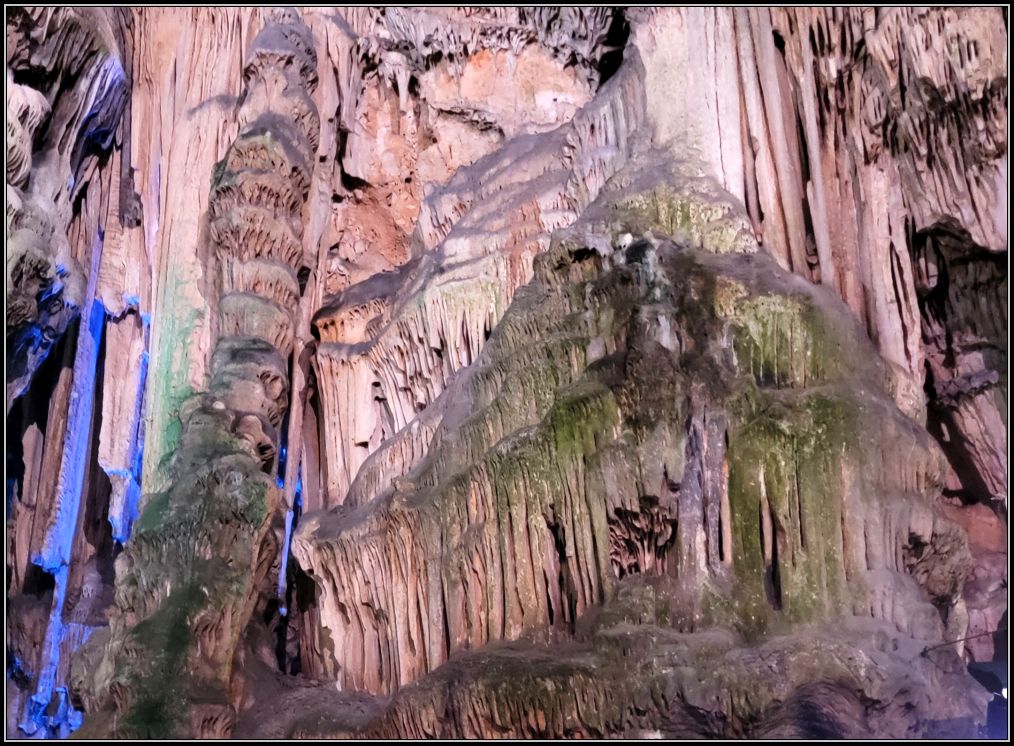
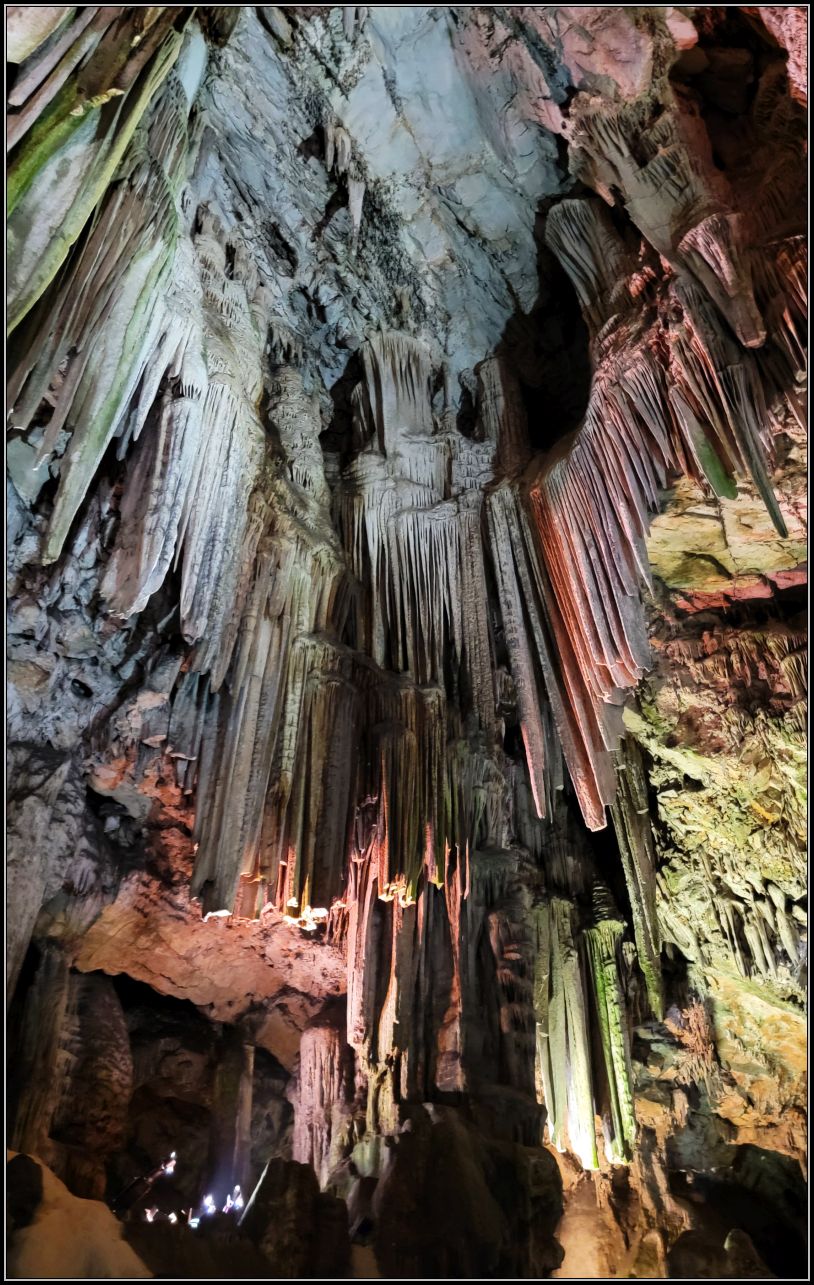
Once we left St Michael’s Cave we started to see more monkeys, for which Gibraltar is well known. The famous Barbary Macaques that surround the top of the Rock are said to have arrived in Gibraltar from Africa through an undersea passage, as they are the only wild roaming monkeys in Europe originating from North Africa. They seemed quite shy or maybe too bored of the curious tourists, but we stayed away from them anyway, as they are known for their boldness and for stealing things from unwary tourists, such as hats, glasses or food.
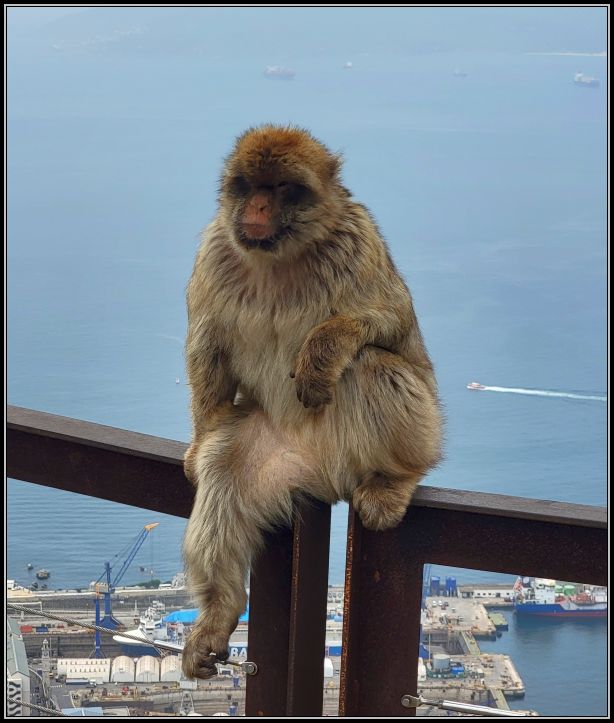
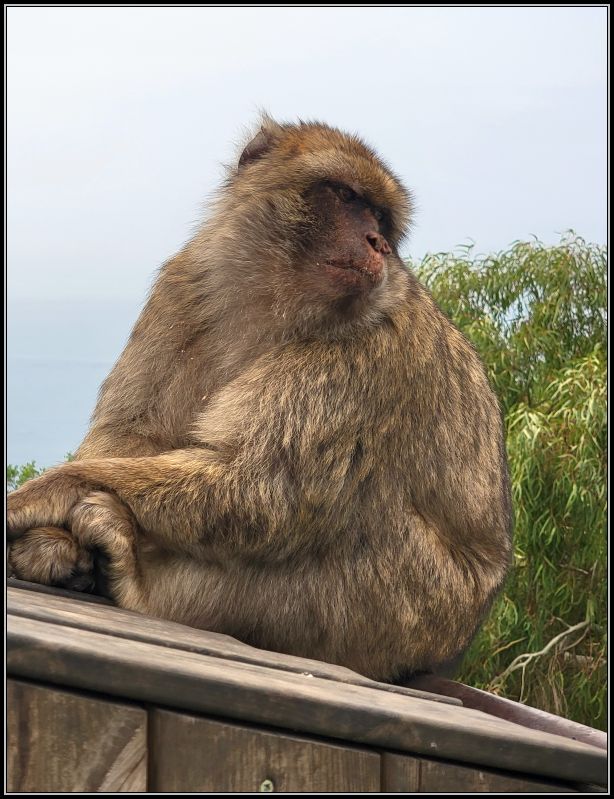
Spanning 70 metres over a deep ravine, the Windsor Suspension Bridge is one of the park’s attractions. The winding path from the cave to the suspended bridge is quite demanding. We started a rather steep descent and several stairs took us even lower. I was relieved seeing a big group of students departing from this area, leaving the bridge just for ourselves and another couple who left soon after, too. I’m not fun of heights, so I was just very happy to be able to cross the bridge as I wanted. But if you really feel like you cannot walk on the bridge or if it is too crowded, you still have the option to walk around it. They say the bridge is not for the faint of heart, but we found it quite sturdy. After walking the Caminito del Rey in Spain the day before, this one was a breeze😊
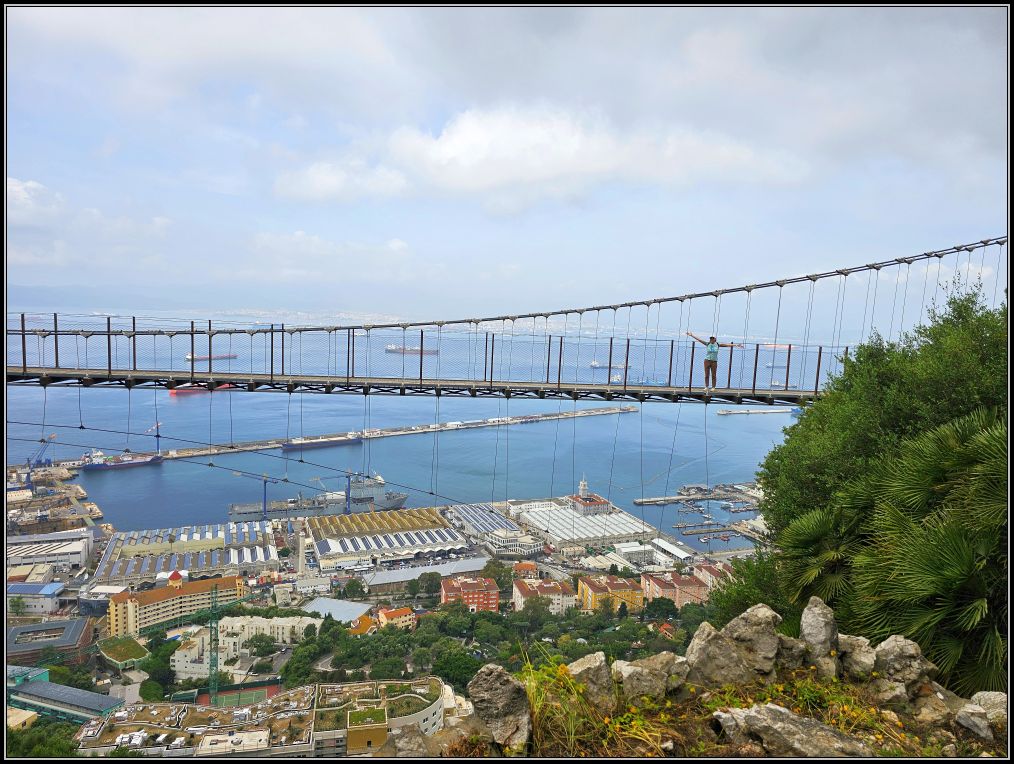
Our next stop was the Skywalk and we knew we were in for a long climb. No monkeys were at the Apes’ Den, a large platform where they could get food and water, so we started our climb up.
The path that leads directly to the top consists of 4 sets of stairs. Quite abrupt and very demanding, we pushed ourselves to the top. A few monkeys provided us with entertainment, especially some baby monkeys, who were the only ones playing at this time of the day.
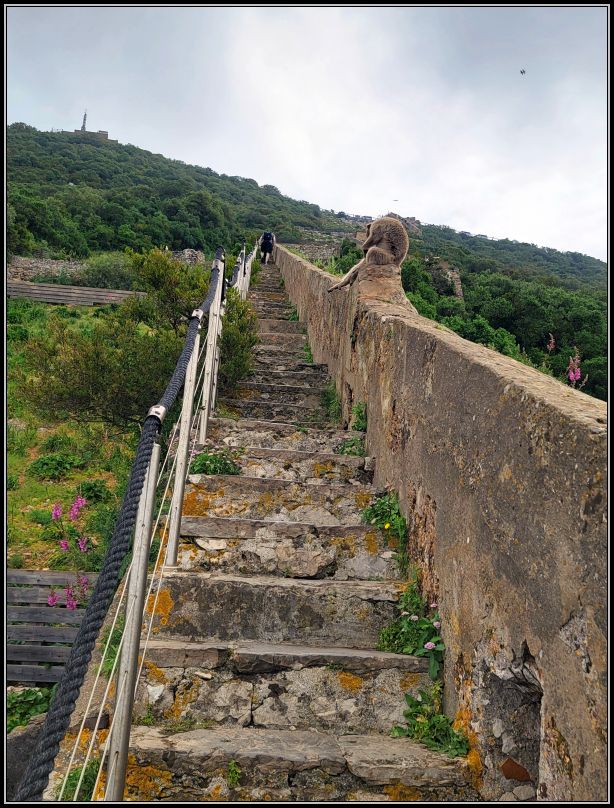
After a couple of breaks and a lot of huffing and puffing, we finally reached the top, to find ourselves in a middle of a huge crowd. St Michael’s Road is actually the road that comes from St Michael’s Cave and was full of cars waiting for their clients. It was a bit of an adventure to squeeze ourselves through these cars to get to the skywalk, but we did it.
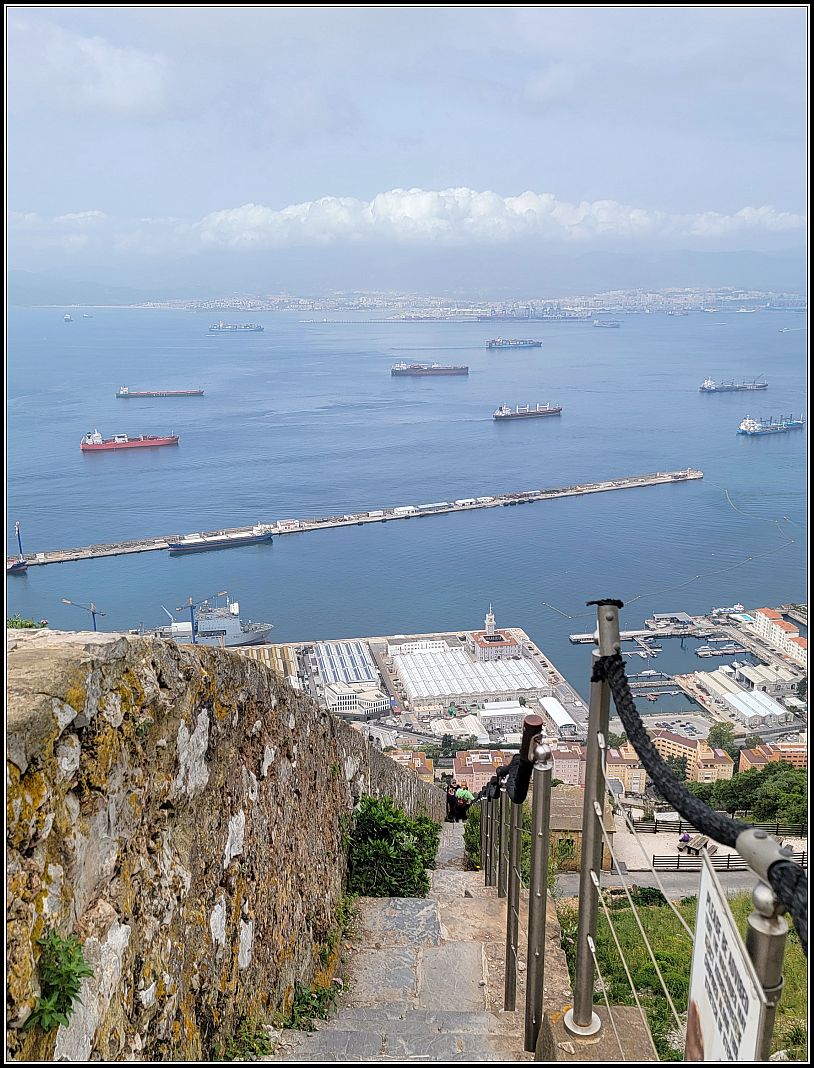
This peninsula consists of a limestone ridge that rises abruptly from the sea, especially at its highest point, at 426 metres, near the southern tip. Here, overlooking the Strait of Gibraltar, is the Skywalk, a glass platform at the top of the Northern Pillars of Hercules, where sweeping views spanning three countries across two continents can enchant your senses. Unfortunately, the fog gave us no chance to see the African shore, but the view of the Rock from above was still stunning, as was the entire series of sheer cliffs.
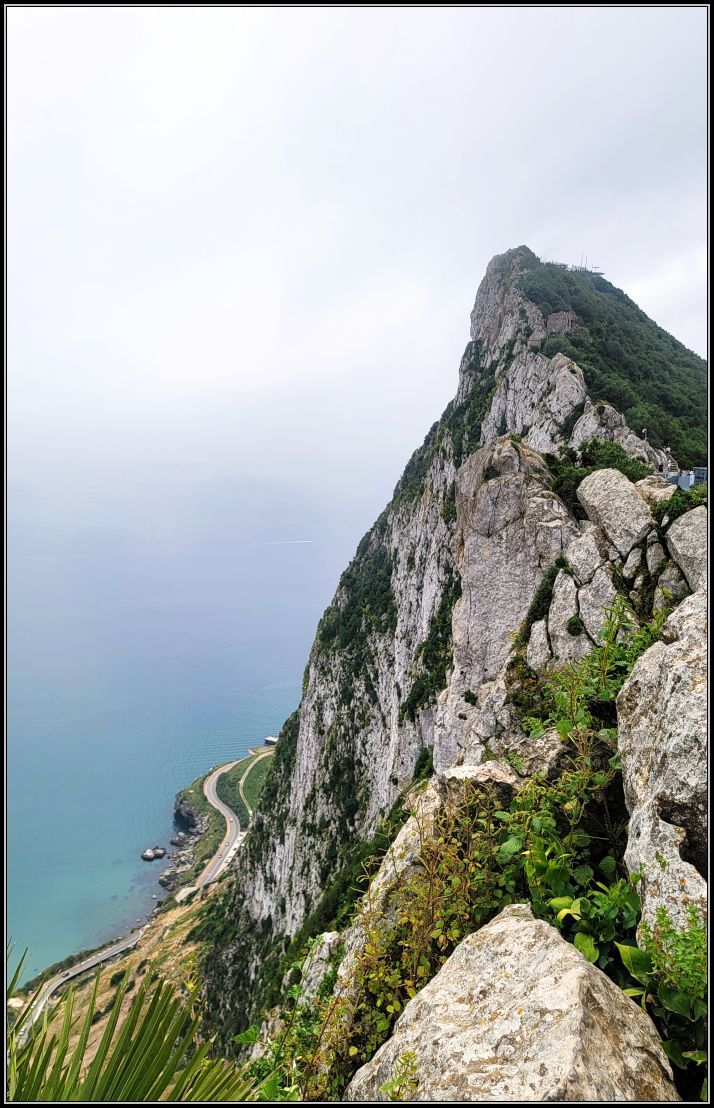
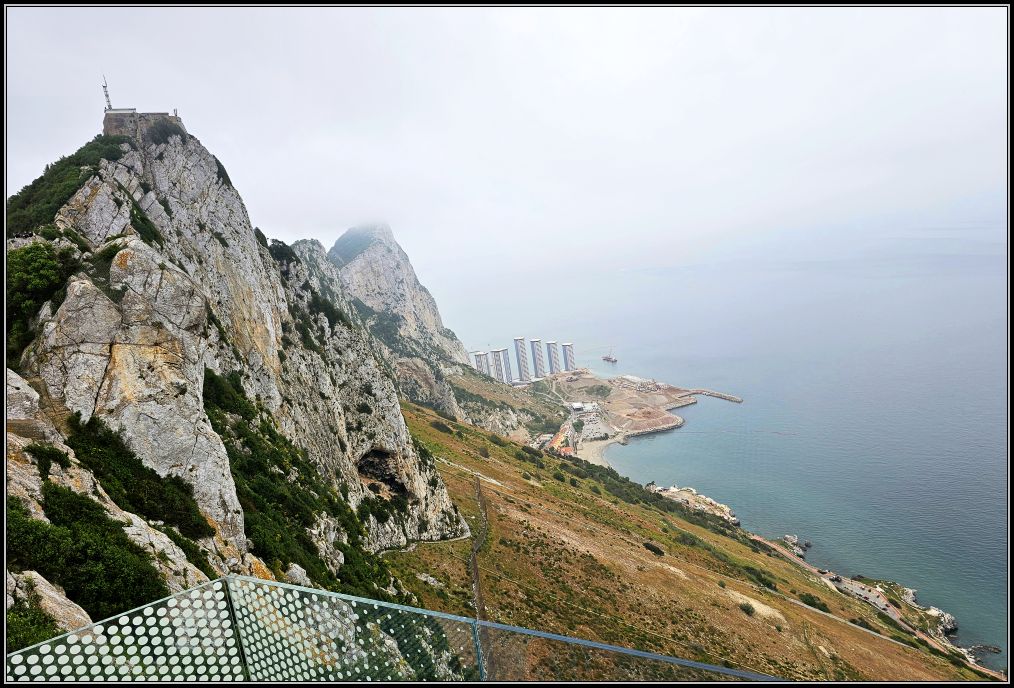
The Northern part of the reserve has several points of interest related to WWII, defense and other war-related tunnels and military projects. Looking at the surroundings and the waterways, we realized why this small piece of land played and still plays such an important role.
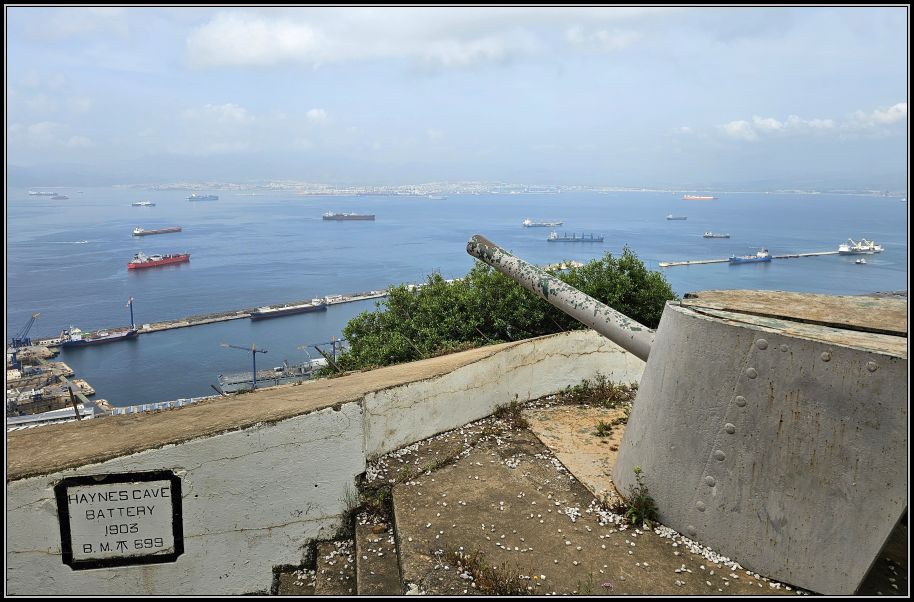
With so many tunnels, defensive walls and batteries, there is so much to see in one day. As the cable car was under renovation, access to the top is only possible by car. If you prefer to walk, which gives you maximum flexibility, letting you explore the sites on your own without joining a tour, be prepared for a very long and strenuous walk.
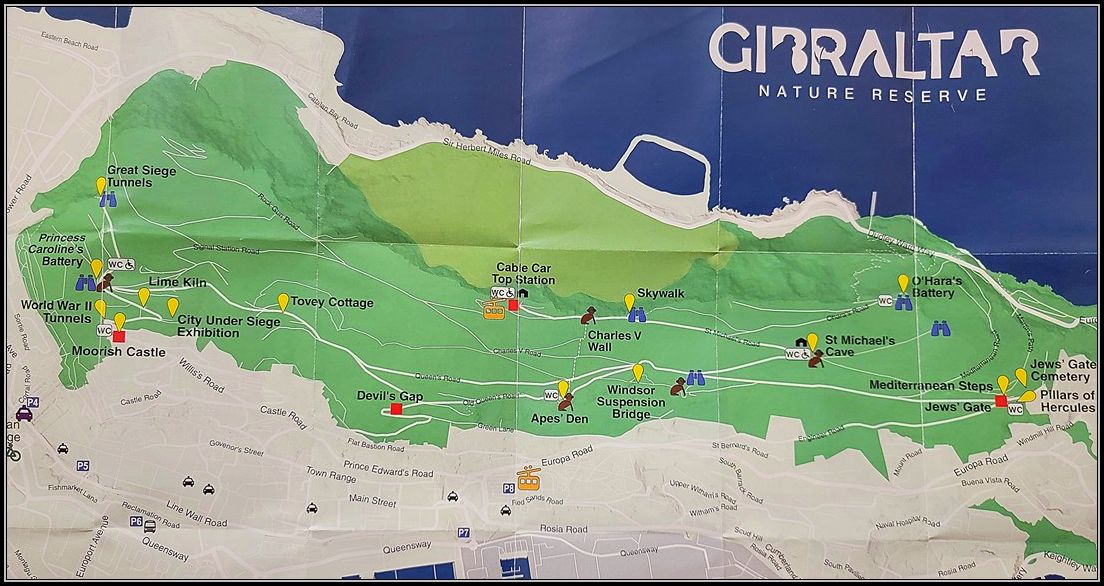
Tip(s) of the day:
*You need a passport to enter Gibraltar; you need to show your European passport to the officer if you have one, if you are non-European you need to scan it at the machine;
*Driving can be very challenging in Gibraltar, as well as finding a parking spot. We left our car outside of Gibraltar and walked in, crossing the airfield that separates Gibraltar from La Linea de la Conception;
* The Rock can sometimes be very crowded, so be prepared to give space to other tourists and cars on the narrow sections of paths, stairs or streets;
*The top of The Rock and all other attractions are located within the Gibraltar Nature Reserve. There are 3 entrances where you can get in and need to pay the entrance fee. The fee was £30/adult as of end of April 2026, credit cards accepted. For more information, you can read the official website here.
~visited in April 2026
 1000 Places and Memories
Gibraltar is amazing!
LikeLiked by 1 person
Yes, indeed😊
LikeLiked by 1 person
Fabulous! We were only there for an afternoon and I didn’t get to the bridge xx
LikeLiked by 1 person
It was quite a walk to the bridge!! LOL
xx
LikeLiked by 1 person
An invigorating place. Thanks for the excellent tour.
LikeLiked by 1 person
Thank you so much, Neil!
LikeLike
This was a great and comprehensive look at Gibraltar, Christie, and I appreciated it so much.
LikeLiked by 1 person
We covered quite a bit, considering the elevation gain in one day🥰
LikeLiked by 1 person
Enjoyed this guide, Christie, and the photos are great! I’ve only scene Gibraltar in the horizon from Ceuta.
I would love the bridge walk. How lucky were you guys to have it all to yourselves.
LikeLiked by 1 person
You must have had clear skies then😊
So interesting that Ceuta is still a city of Spain!
Hope all is well Nilla! xx
LikeLiked by 1 person
Yes, indeed and if you hope over to my travel guide about Ceuta, you’ll see. All’s cool here in Brisbane. x
LikeLiked by 1 person
Gibraltar is great isnt it?! There aee so many more things to see and do than I thought before planning. Did you go inside the tunnels? They were quite interesting and have a Canadian component. Maggie
LikeLiked by 2 people
Yes, we did go inside the tunnels, so much interesting stuff I didn’t know about!
Christie
LikeLike
Sounds like you got quite the workout from wandering around. But the views from up above are beautiful.
LikeLiked by 1 person
Yes, we did😍 but the effort was well worth it!
LikeLiked by 1 person
You captured so many beautiful photos from Gibraltar, dear Christie, and the views from above are stunning. It is a unique experience to visit such a place where you can grab fish and chips, drink a pint of British ale, and pay in British Pounds, all while speaking Spanish and looking out over the Mediterranean. Thanks for sharing, and have a good day 🙂 Aiva xx
LikeLiked by 2 people
Thank you for your lovely comment, Aiva!
Christie, xx
LikeLike
Such a beautiful place, amazing history!
LikeLiked by 1 person
We’ve had an amazing day in Gibraltar, thank you!
LikeLiked by 1 person
You are welcome, Christie!
LikeLiked by 1 person
Hello Christie. I found your blog through a comment you left on the Natalie the Explorer blog. I noticed we spell our first names the same, and it’s kind of unusual, so I was intrigued. Anyway, I’m glad I decided to check out your blog. The photos are beautiful, and Gibraltar sounds like a fascinating place to visit. Thanks for sharing. It was nice to “meet” you.
~Christie
LikeLiked by 1 person
Thanks for visiting my blog and I’m glad to “meet” you too! My name is actually Cristina (you can check About me section), but I was called Christie all my childhood, so I decided I’d stick with it😊
Have a lovely week ahead!
Christie
LikeLike